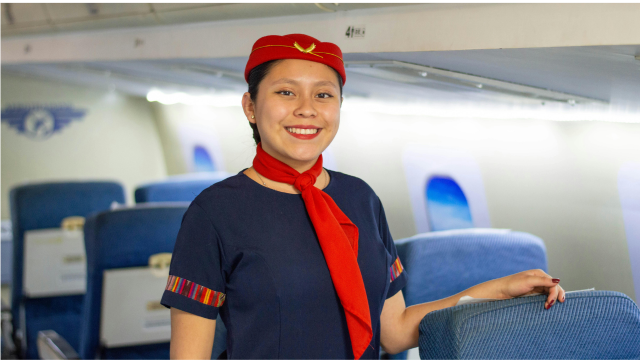
Aircraft cabin cleaner jobs UK applicants see advertised at major airports can be an accessible route into aviation without requiring a degree or specialist technical licence. The work is practical, physical and often fast-paced: cleaners prepare aircraft interiors between flights or during longer overnight stops while following airline, airport, health and safety, and security procedures.
The role can involve far more than running a vacuum through the aisle. Cleaners may deal with passenger seating, tray tables, galleys, toilets, overhead lockers, waste, consumables and security checks, sometimes with only a short turnaround before the next passengers board.
Requirements vary considerably between employers. Some vacancies welcome applicants without previous aviation experience, while others ask for aircraft-cleaning experience, a driving licence or particular airside clearance. This guide explains what the job involves, what employers generally look for and how to start building a career in aircraft cleaning in the UK.
What Is an Aircraft Cabin Cleaner?
An aircraft cabin cleaner is responsible for preparing the interior of an aircraft cleaning jobs so that it is clean, presentable and ready for passengers and crew.
Aircraft cleaners commonly work for airlines, airport ground-handling companies or specialist contractors rather than directly for the airport itself.
The role may appear under several job titles, including:
- Aircraft Cleaner
- Aircraft Cleaning Agent
- Cabin Cleaner
- Aircraft Services Agent
- Cabin Appearance Agent
- Aircraft Cleaner/Driver
The exact title matters less than the responsibilities in the vacancy.
Some jobs deal almost entirely with aircraft cleaning jobs interiors. Others combine cabin cleaning with aircraft exterior work, office cleaning, ground-support activities or driving cleaning teams between stands.
Because aircraft operate throughout the day and night, cabin cleaning is normally organised around flight schedules rather than conventional office hours.
What Does an Aircraft Cabin Cleaner Do?
The basic objective is simple: leave the aircraft cleaning jobs in the condition required by the airline before passengers board.
Achieving that standard can involve dozens of individual tasks.
Cleaners may vacuum carpets, remove rubbish from seat pockets, wipe tray tables, clean windows and interior surfaces, tidy seat belts and replenish airline literature. Toilets and galleys require separate cleaning procedures, while blankets, pillows and other cabin items may have to be removed or replaced.
The cleaner must also watch for anything unusual.
Damage, suspicious objects, lost property, spillages or equipment faults should not simply be ignored. They normally need to be reported using the employer’s procedure.
This attention to detail is one reason aircraft cleaning jobs differ from many ordinary commercial-cleaning positions.
Why Aircraft Cabin Cleaning Is Important
Passengers usually encounter the cabin only after the cleaning team has finished. They may therefore notice the result without appreciating how much work happened during the turnaround.
Cabin presentation affects passenger comfort and the airline’s overall service standard. Dirty tray tables, overflowing seat pockets or poorly prepared toilets create an immediate negative impression.
There is also a health and safety dimension. Waste must be handled properly, spillages managed, cleaning chemicals used safely and working areas kept free of avoidable hazards.
Aircraft cleaners also operate within a security-sensitive environment. Depending on their assigned duties, they may be expected to recognise and report unusual items or complete specific security-related procedures.
Cabin cleaning is therefore part of the wider ground operation that enables an aircraft cleaning jobs to depart safely and on schedule.
Key Duties and Responsibilities
Responsibilities vary by airline and aircraft, but a cabin-cleaning shift can include:
- removing rubbish and disposing of it through the correct waste stream;
- vacuuming aircraft carpets and seating areas;
- wiping tray tables, armrests, walls, windows and other approved surfaces;
- cleaning and replenishing lavatories;
- cleaning galleys and work surfaces;
- checking and cleaning seat pockets;
- arranging seat belts and other cabin items;
- replenishing approved passenger supplies;
- reporting damaged or defective equipment;
- using cleaning products according to instructions;
- wearing required PPE;
- completing security or cabin checks where trained and authorised; and
- preparing cleaning equipment for the next aircraft cleaning jobs.
Some cleaners also perform exterior cleaning.
Others drive vehicles airside, operate steps or specialist equipment, move between aircraft stands or support additional ground-handling activities.
Always read the individual job description rather than assuming every aircraft-cleaning position has the same scope.
A Typical Day as an Aircraft Cabin Cleaner
There may be very little that feels “typical” about an airport shift because the workload follows aircraft cleaning jobs movements.
At the beginning of a shift, a team may receive its work allocation, equipment, PPE and details of the aircraft it will service. Crew members then move to the relevant stand once they have permission to access the aircraft cleaning jobs
For a turnaround clean, speed matters.
Passengers from the previous flight leave, and several teams may then need access to the aircraft. Cleaners, catering staff, engineers, baggage teams and flight crew can all be working around the same operation.
The cleaning team divides the cabin into tasks or zones. One person might handle toilets while others work through the seating area, galley or floors.
A longer overnight or “night-stop” clean can allow more detailed work than a quick turnaround.
Once the required standard has been reached, the work may be checked and the team moves to another aircraft cleaning jobs
This combination of repetition and time pressure is an important feature of airport cleaning jobs.
Aircraft Cabin Cleaner Skills and Personal Qualities
Employers generally care less about impressive academic qualifications than whether someone can work reliably in an operational environment.
Attention to detail
A cabin may contain hundreds of individual surfaces and spaces. Missing rubbish in a seat pocket or failing to clean an obvious mark can affect the finished standard.
Teamwork
Aircraft turnaround is coordinated work. Cleaners must communicate with colleagues and supervisors and work around other airport teams.
Time management
Cleaning must often be completed within a defined window. Working quickly helps, but rushing so much that safety procedures or cleaning standards are ignored is not acceptable.
Reliability
Flights operate early in the morning, late at night, at weekends and on bank holidays. Ground operations depend on people arriving when rostered.
Physical stamina
The job involves standing, walking, bending, reaching, carrying equipment and repeatedly moving through narrow cabin spaces.
Communication skills
Workers need to understand instructions, report problems and communicate effectively with colleagues. Employers may therefore specify an appropriate level of spoken and written English.
Safety awareness
Aviation operations depend heavily on procedures. Someone who ignores chemical instructions, PPE requirements or airside rules can create unnecessary risk.
These qualities can matter as much as previous cleaning experience when building cabin cleaning careers.
Aircraft Cabin Cleaner Qualifications and Requirements
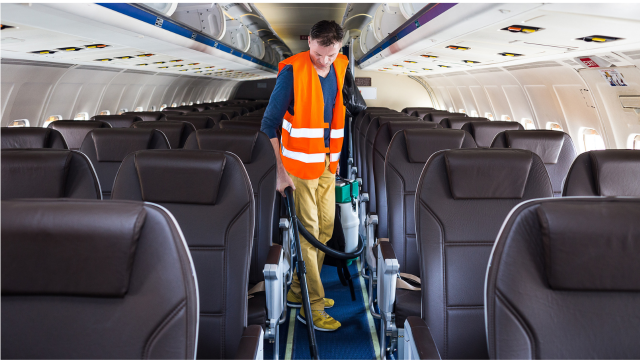
There is no universal UK academic qualification that everyone must hold before becoming an aircraft cleaning jobs cabin cleaner.
Many entry-level positions do not specify GCSEs, A levels or a degree as mandatory occupational qualifications. Employers commonly focus on practical suitability and the ability to satisfy airport-security requirements.
A typical vacancy might instead require some combination of:
- legal right to work in the UK;
- acceptable identity documents;
- checkable employment, education and address history;
- the ability to pass applicable criminal-record and security checks;
- flexibility for shift work;
- sufficient physical ability for manual cleaning duties;
- ability to understand operational instructions; and
- a full UK driving licence where the role includes driving.
A driving licence is particularly common where cleaning teams travel between remote aircraft stands or operate company vehicles. It should not, however, be described as a legal requirement for every aircraft cleaning jobs cleaner in Britain.
Previous commercial cleaning experience can strengthen an application, and some specialist positions require previous aviation cleaning. Others explicitly provide training to successful recruits.
How to Become an Aircraft Cabin Cleaner in the UK
There is no single national application route.
A practical route into the occupation is to begin by looking at airports within realistic travelling distance. Remember that shifts may begin before normal public transport starts, so commuting arrangements matter.
Next, examine vacancies from airlines, ground-handling companies and aviation recruitment agencies.
Read the requirements carefully. A candidate who cannot demonstrate the requested history for an airside pass may struggle to progress even if their cleaning experience is excellent.
Prepare a straightforward CV emphasising relevant strengths such as cleaning experience, reliability, shift work, teamwork, manual work, customer-facing environments and adherence to safety procedures.
If offered a position, expect pre-employment checks before unrestricted airside work begins.
Finally, complete all employer and airport training rather than assuming general cleaning experience makes aircraft procedures automatic.
Aircraft Cabin Cleaning Procedures
Aircraft are not simply offices with seats.
Cleaning procedures are usually specified by the employer and airline because different areas, surfaces and situations require different methods.
A turnaround clean is normally organised to deliver the required standard within a short period. A deeper clean may involve considerably more detailed work.
Procedures may cover:
- safe aircraft cleaning jobs entry and commencement of work;
- allocation of cleaning zones;
- removal and segregation of waste;
- cleaning of seats, tables and cabin surfaces;
- floor cleaning;
- lavatory and galley procedures;
- replenishment of approved items;
- reporting of damage, unusual objects or lost property;
- final cabin inspection; and
- correct removal of equipment and waste.
Workers should follow the procedure they have actually been trained to use. Using an improvised chemical or cleaning method on an aircraft surface could damage expensive materials or conflict with the operator’s requirements.
Aircraft Cleaning Equipment and Products
Equipment depends on the cleaning contract and aircraft type.
Common items can include vacuum cleaners, brushes, cloths, mops, waste bags and approved cleaning or disinfecting products. Workers may also use trolleys and other equipment to transport materials around the aircraft cleaning jobs
What matters is not merely having powerful cleaning products.
Cleaning agents must be suitable for the intended surface and task. Workers should follow instructions covering dilution, storage, application and disposal.
Chemical labels and safety information should never be treated as optional reading.
Mixing cleaning substances without authorisation can be dangerous. Some combinations can produce harmful reactions or fumes.
Professional aviation cleaning therefore depends on controlled procedures rather than household-style improvisation.
Aircraft Cabin Cleaning Safety Requirements
Cabin cleaning introduces several potential hazards.
Cleaning products can irritate skin, damage eyes or create respiratory risks. Wet floors can cause slips. Electrical leads and equipment can create trip hazards. Manual handling and repetitive movements may contribute to injury.
Employers must manage relevant workplace risks and provide suitable information, instruction and training.
COSHH is particularly relevant where hazardous substances are used. The employer should assess exposure and implement appropriate controls.
PPE may include gloves, protective clothing, eye protection or safety footwear depending on the task and risk assessment.
Workers also have responsibilities. They should use equipment correctly, follow training, report defects and avoid bypassing procedures for the sake of speed.
Airport operations add further risks because aircraft cleaning jobs, vehicles and ground equipment can be moving close to the workplace.
Aircraft Cabin Cleaner Training
New starters commonly receive employer training before working independently.
The exact programme varies, but it may cover:
- cabin-cleaning standards;
- approved products and equipment;
- chemical safety and COSHH awareness;
- PPE;
- manual handling;
- waste handling;
- security awareness;
- airside safety;
- aircraft familiarisation;
- emergency or incident reporting; and
- company operating procedures.
Some duties require additional instruction. A cleaner should not operate specialised ground equipment merely because they have experience with ordinary cleaning machinery.
Private or online learning can help someone understand aviation terminology, safety culture or airport operations before applying. Tyne Academy, for example, provides online learning across professional subjects, including aviation-related material.
However, general online learning should be viewed as background development. It does not itself award an airport identification pass, complete the employer’s security vetting or replace practical, site-specific training.
Airport Security Clearance Requirements
This is one of the most misunderstood parts of applying for aircraft cabin cleaner jobs UK.
People sometimes refer to “airport clearance” as if it were one standard certificate obtained personally and then used anywhere. The reality is more specific.
A worker who requires an Airport Identification Card giving unescorted access to a Security Restricted Area can be subject to aviation security background requirements.
Checks can include verifying:
- identity;
- employment, education and gaps covering at least the previous five years;
- criminal-record information;
- relevant address and residency information; and
- other information required for the particular security process.
The Civil Aviation Authority states that certain aviation roles require a basic criminal-record disclosure showing unspent convictions.
Where someone has lived overseas for six months or more during the relevant preceding five-year period, equivalent overseas criminal-record documentation may also be required.
Some particular roles or airport arrangements can involve additional checks such as an Accreditation Check or other security clearance. Certain vacancies therefore impose residency requirements connected to the clearance they require.
Do not assume, however, that every UK aircraft cleaning jobs cleaner automatically needs precisely the same clearance. Follow the requirements stated by the employer and airport.
Aircraft Cabin Cleaner Salary in the UK
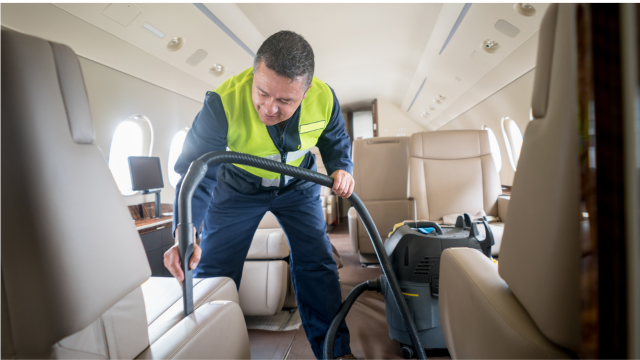
Pay varies by airport, employer, contract, age, hours and shift pattern.
As of 28 October 2026, Indeed reported an average base salary for an aircraft cleaner in the UK of approximately £13.47 per hour, based on its reported salary data.
Current vacancies illustrate the variation. Recent roles have advertised rates around £12.91 per hour in Belfast and approximately £13 per hour at Luton, while night work or particular locations may attract higher rates or shift allowances.
For context, the statutory National Living Wage for workers aged 21 and over is £12.71 per hour from 1 April 2026. Different statutory minimum rates apply to younger workers and qualifying apprentices.
A headline hourly rate does not reveal total earnings. Applicants should also check:
- contracted weekly hours;
- night-shift premiums;
- overtime rates;
- weekend or bank-holiday enhancements;
- pension arrangements;
- parking or travel benefits; and
- whether the contract is permanent, temporary or agency-based.
Pay data should therefore be treated as a market guide rather than a guaranteed salary.
Working Hours and Conditions
Airports do not close at 5 pm, so flexibility is a major feature of aircraft cleaning jobs
Depending on the operation, shifts can include early mornings, evenings, nights, weekends and public holidays.
Four-days-on, four-days-off patterns are common in operational airport work, although employers use many different rosters.
Working conditions can be demanding.
Cabins are confined spaces. Cleaners may repeatedly bend around seats and work under time pressure. Moving between aircraft can involve outdoor conditions, including rain, cold or heat.
Night work is particularly common where aircraft cleaning jobs receive more extensive cleaning between their final arrival and first departure.
Before accepting a role, consider the transport issue carefully. A 4 am start can be difficult if the airport is inaccessible without a car at that time.
Career Progression Opportunities
Aircraft cleaning can be a starting point rather than a permanent endpoint.
An experienced and dependable cleaner may progress into positions such as team leader or cleaning supervisor. Larger ground-handling companies may also provide opportunities in other operational departments.
Possible directions can include:
- cleaning team leadership;
- aircraft-services supervision;
- ground operations;
- ramp services;
- passenger services;
- operational coordination; or
- training and quality roles.
Movement into another job is not automatic. Ground handling, driving, security and supervisory roles may require additional training, licences, clearance or experience.
Someone interested in long-term cabin cleaning careers should therefore look for employers with structured internal development as well as focusing on the starting wage.
How to Find Aircraft Cabin Cleaner Jobs
Begin with airport and employer websites.
Major ground-handling companies often advertise directly through their careers pages, while airports may operate vacancy portals containing opportunities from multiple businesses based on the site.
General recruitment platforms are also useful.
Search using several phrases because employers use different job titles:
“aircraft cleaner”, “aircraft cleaning agent”, “cabin cleaner”, “aircraft services”, “airport cleaner” and “cabin appearance”.
Location searches are equally important. Searching “aircraft cleaner Heathrow”, “aircraft cleaner Gatwick” or “aircraft cleaner Manchester”, for example, can produce more relevant results than a national search.
Set job alerts where available. Airport recruitment can fluctuate with airline schedules, seasonal demand and new ground-handling contracts.
Tips for Applying for Aircraft Cleaning Jobs
A good application should demonstrate that you understand the reality of the role.
Do not fill the CV with generic claims such as “hard-working team player” without evidence. Use previous experience to show reliability and practical competence.
For example, mention if you have:
- worked shifts or unsocial hours;
- followed strict health and safety procedures;
- used commercial cleaning equipment;
- handled cleaning chemicals;
- worked to deadlines;
- performed physically demanding work; or
- worked effectively within a team.
Check your five-year history before applying. Dates that cannot be explained or verified can create problems during security screening.
Gather identification and right-to-work documents early rather than waiting until an employer requests them.
If driving is part of the advertised job, make your driving-licence status clear.
Most importantly, tailor the application to the vacancy. Requirements for airport cleaning jobs at one airport can differ materially from those at another.
Common Aircraft Cabin Cleaner Interview Questions
Interviewers are likely to focus on reliability, safety, teamwork and your ability to work under pressure.
Questions may include:
Why do you want to work as an aircraft cleaner?
Give a realistic answer showing that you understand the operational nature of the job rather than describing aviation only as glamorous.
How would you maintain quality when working to a short turnaround time?
Explain how you would follow the assigned procedure, divide work effectively and communicate with colleagues rather than simply rushing.
What would you do if you found an unusual or unattended item?
The safest approach is to follow security training and report it through the prescribed procedure rather than handling situations outside your authority.
How would you deal with a cleaning chemical you had not used before?
Refer to instructions, training, safety information and supervision rather than improvising.
Can you work nights, weekends and early starts?
Answer accurately. Employers need genuine availability, not promises that become impossible once the roster begins.
How do you react when a colleague has not completed their section and departure time is approaching?
A strong response balances teamwork, communication and escalation to the appropriate supervisor.
Practical examples from previous cleaning, warehouse, hospitality, retail or other time-sensitive work can make answers much stronger.
Key Takeaways
Aircraft cabin cleaning is an operational airport job that combines cleaning standards, physical work, teamwork, safety awareness and security procedures.
Formal academic qualifications are not normally the central entry barrier. Instead, applicants often need to demonstrate reliability, work flexibility and the ability to complete relevant airside screening.
Previous experience can help, but entry requirements differ. Some companies provide full training, whereas other vacancies specifically require aircraft cleaning jobs experience.
Pay also varies. Current market information suggests hourly rates often sit relatively close to the statutory wage floor for entry-level positions, although particular airports, night shifts and employers can pay more.
For anyone considering aviation cleaning, the best strategy is to read individual vacancies carefully rather than relying on generic job descriptions.
Frequently Asked Questions
What does an aircraft cabin cleaner do?
An aircraft cabin cleaner prepares an aircraft cleaning jobs interior for passengers and crew. Typical duties include removing rubbish, vacuuming carpets, wiping approved surfaces, cleaning lavatories and galleys, tidying seats and seat belts, replenishing supplies and reporting damage or unusual items.
The precise tasks depend on the airline, ground-handling company and type of clean being performed.
How do I become an aircraft cabin cleaner in the UK?
Search for vacancies with airlines, ground-handling businesses, airport contractors and recruitment agencies. Most entry-level roles focus on practical suitability rather than requiring a university qualification.
Successful applicants may then need identity, employment-history, right-to-work, criminal-record and airport-security checks before receiving the appropriate airside access and employer training.
What qualifications are needed for aircraft cleaning jobs?
There is no single mandatory academic qualification for all UK aircraft-cleaning jobs.
Individual employers may request previous cleaning experience, a full driving licence, strong English communication, physical fitness or aviation experience. Security and airside-access requirements can be more important than academic certificates.
Always follow the specific vacancy requirements.
How much does an aircraft cabin cleaner earn?
Indeed reported an average UK aircraft-cleaner base rate of approximately £13.47 per hour as of 28 October 2026.
Individual vacancies vary by location, employer, shift and experience. Night premiums, overtime and allowances can also affect total earnings, so applicants should compare the entire employment package rather than just the basic hourly rate.
What skills does an aircraft cabin cleaner need?
Important skills include attention to detail, reliability, teamwork, time management, physical stamina, communication and the ability to follow procedures.
Safety awareness is particularly important because aircraft cleaning jobs work with cleaning chemicals, equipment and within a controlled airport environment.
Do aircraft cabin cleaners need airport security clearance?
Workers requiring unescorted access to security-restricted airport areas normally need to satisfy the applicable aviation-security and airport-pass requirements.
These may include identity checks, a five-year employment and education history, criminal-record checks and other vetting. Requirements depend on the role and access involved, so there is no single clearance specification that should be assumed for every cleaner.
What training is required for aircraft cabin cleaning?
Employers commonly provide training covering their cleaning procedures, aircraft cleaning jobs standards, health and safety, chemical use, PPE, security awareness and airside working.
Further instruction may be required for security tasks, driving or specialist ground equipment.
An online training certificate may demonstrate learning but does not itself replace employer induction, practical authorisation or airport security clearance.
What are the career opportunities for aircraft cabin cleaners?
Possible progression includes team leader, cleaning supervisor and broader aircraft cleaning jobs services or ground-operations roles.
Large aviation-services businesses may provide opportunities to transfer into passenger handling, ramp operations, training or operational coordination. Advancement depends on performance, vacancies and any additional training or security requirements.

Conclusion
Aircraft cabin cleaner jobs UK airports offer can provide a practical entry point into aviation for people who are reliable, physically capable and comfortable working shifts in a tightly controlled operational environment.
The occupation rarely depends on advanced academic qualifications. What matters more is the ability to meet the employer’s requirements, pass the relevant security checks, work safely with cleaning products and equipment, follow detailed procedures and consistently prepare aircraft cleaning jobs to the required standard.
Applicants exploring aircraft cleaning jobs or broader airport cleaning jobs should compare roles carefully because driving requirements, experience expectations, vetting arrangements, working hours and pay can differ significantly between employers.
Training can help build useful awareness of aviation operations, but certificates should not be confused with practical competence, security clearance or guaranteed employment. For those prepared for early starts, nights, physical work and fast turnarounds, however, aircraft cleaning jobs can provide valuable airport experience and a foundation for longer-term cabin cleaning careers within the aviation sector.