
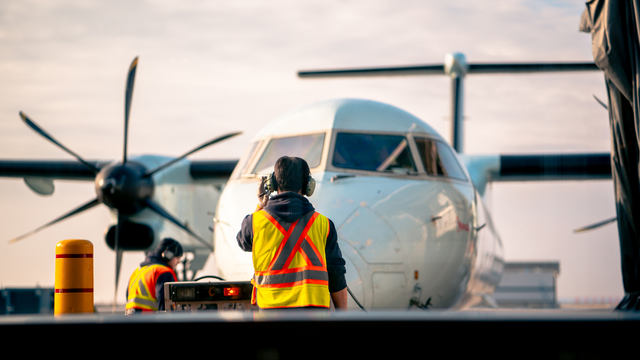
Airport ground staff jobs are among the broadest entry points into the aviation industry. While pilots and cabin crew are the most visible airline employees, large teams work on the ground to check in passengers, handle baggage, move aircraft safely, coordinate departures and help keep airport operations running on time.
The term “ground staff” does not describe one specific occupation. It can cover passenger service agents, baggage handlers, ramp agents, aircraft movement staff, operations assistants and other airport-based workers. Some roles involve extensive aviation customer service, while others are physical or operational and take place around aircraft.
This variety makes ground work attractive to people exploring airport careers UK employers offer. Some positions are suitable for candidates with customer-service experience but no aviation background, while others require driving licences, technical training, airside permissions or specialist competence.
This guide explains the main ground-staff roles, typical duties, skills, qualifications, salary expectations, airport recruitment processes and career progression available within airline ground operations.
What Are Airport Ground Staff Jobs and What Do They Do?
Airport ground staff are employees who support passengers, aircraft and airport operations while an aircraft is on the ground. They play an important role in keeping airport services safe, organised and efficient.
They may work for:
- an airline;
- an airport operator;
- a ground-handling company;
- a cargo company;
- an aviation-services contractor;
- a passenger-assistance provider.
This distinction matters. Someone checking passengers in for a major airline may actually be employed by an outsourced ground-handling business rather than by the airline itself. Likewise, an employee working inside an airport ground staff jobs terminal may be employed directly by the airport, by an airline or by another company operating there.
Above-Wing and Below-Wing Roles
Ground operations are sometimes divided informally into above-wing and below-wing activities. Above-wing work generally involves passengers and terminal services, while below-wing duties focus more on aircraft turnaround, baggage and cargo handling.
Above-wing activities may include:
- check-in;
- boarding;
- passenger enquiries;
- special assistance.
Below-wing work can involve:
- loading and unloading luggage;
- positioning ground equipment;
- aircraft pushback;
- handling cargo;
- marshalling or aircraft movement support.
Skills England describes aviation ground operatives as workers who support the safe arrival, turnaround and departure of aircraft. This makes safety, coordination and punctuality central to the job.
When an aircraft lands, several tasks may need to be completed before it departs again. Passengers leave the aircraft, baggage is unloaded, new baggage and cargo are loaded, equipment is positioned, boarding begins and operational checks are completed. A delay in one area can affect the entire departure.
Why Airport Ground Staff Careers Are Popular in the UK
There are several reasons people consider airport careers UK opportunities.
Accessible Routes Into Aviation
Many entry-level ground roles do not require a university degree. Employers may place greater importance on:
- reliability;
- communication;
- customer service;
- teamwork;
- physical capability;
- ability to follow procedures.
This can make ground work accessible to school leavers, career changers and people moving from hospitality, retail, logistics or customer service.
Variety of Roles
Airports need employees with different strengths and abilities. Someone who enjoys speaking to passengers may prefer check-in or information services. Someone who likes active physical work may prefer baggage handling or ramp operations. A highly organised person interested in operational systems might eventually move towards flight operations.
Large, International Working Environments
Major UK airports operate continuously and serve passengers from around the world. For people interested in travel industry careers, this can provide an international working environment without requiring employees to travel as part of every shift.
Progression Potential
Ground staff can move into:
- team leadership;
- operations;
- passenger-service supervision;
- turnaround coordination;
- specialist ground handling;
- airline management.
Progression depends on the role, employer, vacancies and further competence, but entry-level ground work can provide a useful foundation for wider aviation jobs and career opportunities.
Different Types of Airport Ground Staff Roles
Because the term is broad, it is useful to understand the most common categories of airport ground staff jobs work.
Passenger Service Agent
Passenger-service agents work directly with travellers. They can assist with:
- check-in;
- boarding passes;
- travel-document checks;
- baggage processing;
- gate boarding;
- passenger enquiries;
- disruption support.
The National Careers Service uses the related title “airline customer service agent”. These positions combine operational accuracy with strong aviation customer service and communication skills.
Airport Information Assistant
An airport information assistant may work for the airport ground staff jobs rather than a particular airline. Responsibilities can include:
- answering passenger questions;
- providing flight information;
- directing travellers;
- supporting passengers who need assistance;
- handling general enquiries;
- updating flight-information systems.
This is one of the more customer-facing types of airport ground staff jobs, requiring helpful communication and accurate information.
Baggage Handler
Baggage handlers, sometimes called ramp agents or ground handlers, move baggage and cargo between terminal systems and aircraft. Their work can involve:
- loading and unloading aircraft;
- sorting baggage;
- moving luggage using appropriate equipment;
- checking baggage against flight information;
- handling cargo.
This is generally more physical than passenger-service work and requires workers to follow safety procedures carefully.
Ramp Agent
Ramp agents work around aircraft during turnaround. Depending on the employer and role, responsibilities can include baggage handling, aircraft servicing support, positioning equipment and assisting with aircraft arrival or departure processes.
This is a safety-critical environment involving aircraft, vehicles, machinery and time pressure, so awareness and teamwork are particularly important.
Aircraft Movement Operative
Aircraft-movement staff help support the safe movement of aircraft on the ground. This can involve specialised equipment and procedures around towing or pushback.
Such roles require specific employer training, competence and authorisation because aircraft movement is a highly controlled activity.
Flight Operations Ground Staff
Flight-operations personnel help collect, organise and communicate information required for safe and efficient aviation operations. They may use specialised aviation IT systems and communicate with operational teams.
This route can appeal to people who prefer coordination, planning and information-based work rather than passenger-facing duties.
Ground Operations Agent
Employers may combine several duties under the title “ground operations agent”. British Airways, for example, currently recruits within a Ground Operations & Cargo career area.
The exact responsibilities can vary between employers, so the job description should always be checked rather than assuming that every ground operations agent performs the same duties.
Daily Duties and Responsibilities of Ground Staff
A ground-staff shift varies significantly according to role.
Passenger-Facing Duties
Passenger-service staff may begin by preparing a check-in area or gate before a flight.
During check-in, they may:
- confirm reservations;
- inspect appropriate travel documentation;
- process baggage;
- issue boarding passes;
- answer passenger questions.
Later, they may move to the departure gate.
There they could make announcements, organise boarding and help ensure passengers board the correct flight.
When disruption occurs, customer-service responsibilities become more demanding.
Staff may need to help passengers understand delays, missed connections or revised departure arrangements.
Ramp and Baggage Duties
A baggage or ramp employee might:
- prepare equipment before the aircraft arrives;
- unload luggage;
- transfer baggage to reclaim systems;
- load outbound baggage;
- secure items appropriately;
- operate authorised ground equipment.
The work must be coordinated closely with the turnaround schedule.
Operational Duties
Ground-operations staff can also be responsible for checking information, communicating with other teams and making sure assigned tasks are completed before departure.
Safety procedures take priority over speed.
An aircraft leaving a few minutes late is preferable to bypassing a required safety process merely to meet a schedule.
This is one of the defining principles of airline ground operations.
Skills Needed for Airport Ground Staff Jobs
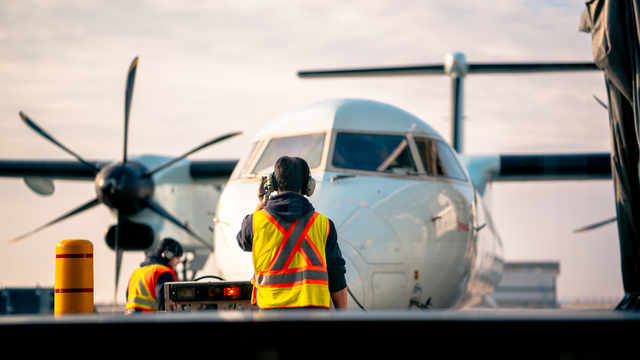
Employers look for different technical skills according to the job, but several abilities are useful across ground operations.
Communication
Ground staff communicate with passengers, colleagues, supervisors and other operational teams.
Information must often be brief and accurate.
A misunderstanding about baggage, boarding or aircraft movement can have significant consequences.
Customer Service
For passenger roles, customer service is essential.
Employees need to remain professional when dealing with:
- delays;
- missed flights;
- queues;
- baggage problems;
- confused passengers.
Good aviation customer service does not mean promising passengers whatever they want.
It means listening, explaining available options accurately and following airline or airport ground staff jobs procedures.
Teamwork
Aircraft turnaround is a team activity.
Ground staff work alongside colleagues from baggage, engineering, passenger services, flight operations, cabin crew and other departments.
One team rarely completes the whole operation alone.
Ability to Work Under Pressure
Flights run to schedules.
Busy airport ground staff jobs environments can involve simultaneous arrivals and departures, bad weather, technical problems and large passenger volumes.
Employees need to stay focused when circumstances change quickly.
Attention to Detail
Details matter.
A passenger’s destination, baggage tag, aircraft position or operational instruction cannot be treated casually.
Ground staff need to follow procedures consistently.
Physical Fitness
Some ramp and baggage roles require employees to:
- lift baggage;
- work on their feet;
- work outdoors;
- operate in different weather conditions.
The physical requirements should be set out in the individual vacancy.
IT Skills
Passenger and operational roles use specialist computer systems.
Candidates do not normally need to know every airline system before recruitment, but general computer confidence is valuable.
Qualifications and Entry Requirements
There is no one qualification required for every ground-staff position.
Employers set their own criteria.
Passenger-Service Roles
The National Careers Service states that airline customer-service roles can be entered through:
- direct application;
- college courses;
- apprenticeships.
Relevant study can include customer service, travel and tourism or aviation operations.
Employers may value English, maths, IT skills and previous customer-facing experience.
Airport Information Roles
For airport ground staff jobs information assistants, employers often look for a good general standard of education.
GCSEs or equivalent in English and maths may be requested.
Customer-service experience can provide an advantage.
Baggage and Ramp Roles
Physical ground-handling jobs may have additional requirements. A driving licence can be relevant or compulsory for certain airside roles involving vehicles or specialised equipment. Skills England’s Aviation Ground Handler occupational standard, for example, specifies a valid driving licence for the occupation covered by that standard.
Aviation Apprenticeships
England currently has an approved Level 2 Aviation Ground Operative apprenticeship covering specialisms such as:
- passenger services;
- aircraft handling;
- aircraft movement;
- flight operations.
Its typical training duration is around 12 months before the assessment period, although employers set their own entry requirements. A Level 3 Aviation Ground Specialist standard is also approved and can support progression into more responsible or supervisory operational positions.
Applicants should remember that apprenticeship standards can be revised, paused or replaced, so current availability should be checked before applying.
Airport Security and Background Checks
Security requirements are an important part of airport recruitment and hiring procedures. Not every airport worker requires the same level of clearance. However, employees who need unescorted access to Security Restricted Areas may require an airport ground staff jobs identification card supported by aviation background checks.
The current Accreditation Check includes verification of:
- identity;
- employment and education history;
- relevant gaps covering at least five years;
- unspent criminal-record information;
- relevant government records.
The CAA also confirms that a basic criminal-record disclosure is required for certain roles involving unescorted access to restricted areas. Applicants who have lived abroad for qualifying periods may also need overseas criminal-record evidence.
Why Five-Year History Matters
Applicants sometimes underestimate this stage of the recruitment process. Employers may request accurate information about:
- jobs;
- education;
- unemployment;
- travel;
- other gaps.
Do not invent employment to make your history appear complete. A genuine gap can often be explained and verified. Providing false or inaccurate information may create greater difficulties than an ordinary period of unemployment.
Airside Training
Employees requiring unescorted airside access may also need appropriate aviation-security training. The CAA maintains training syllabuses, including General Security Awareness Training for relevant personnel.
Specific airport training then depends on the position. A ramp agent, passenger-service employee and aircraft-movement operative will require different operational training and instruction.
Airport Ground Staff Salary and Working Conditions in the UK
There is no single ground-staff salary because “ground staff” covers a range of occupations. Current National Careers Service figures provide useful salary guidance.
| Role | Indicative annual salary |
| Airport information assistant | £20,000–£24,000 |
| Airport baggage handler/ramp agent | £21,000–£28,000 |
| Airline customer service agent | £25,000–£30,000 |
Skills England’s occupational data provides another reference point, currently reporting median annual pay of approximately £28,733 for passenger-services aviation ground operatives and £27,642 for aircraft-movement operatives. These figures are general guides rather than guaranteed earnings.
What Is a Typical Airport Assistant Salary?
The phrase airport assistant salary can describe several different positions. An information assistant may fall closer to the £20,000–£24,000 range, while an airline passenger-service role may be closer to £25,000–£30,000 based on National Careers Service estimates.
Actual earnings can depend on:
- employer;
- airport;
- shift allowances;
- working hours;
- overtime;
- experience;
- level of responsibility.
Always check the salary advertised in the individual vacancy rather than assuming one national average applies.
Shift Work
Airports operate beyond conventional office hours. Ground staff may work:
- early mornings;
- evenings;
- nights;
- weekends;
- bank holidays.
The National Careers Service notes that some airport ground staff jobs employees may need their own transport because shifts can begin or finish when public transport is limited. This is worth considering before accepting a position.
Working Outdoors
Ramp and baggage employees may work outdoors throughout the year. They may therefore deal with rain, cold, wind or hot weather while continuing to follow operational and safety requirements.
Uniforms and PPE
Passenger-service employees may wear an airline or airport ground staff jobs uniform. Operational workers may require high-visibility clothing, safety footwear, hearing protection or other PPE according to their duties.
How to Apply for Airport Ground Staff Jobs
A strong job search should extend beyond the airport’s own careers page.
Identify the Employers at the Airport
Possible employers include:
- airlines;
- airport operators;
- ground handlers;
- cargo companies;
- passenger-assistance contractors.
This matters because an airport ground staff jobs can have thousands of workers who are employed by companies other than the airport operator.
Search Several Job Titles
Try combinations such as:
- airport ground staff;
- passenger service agent;
- ground operations agent;
- ramp agent;
- baggage handler;
- airport information assistant;
- aircraft handler.
Using different job titles can provide wider coverage of available aviation jobs and ground-operations vacancies.
Use Official Career Websites
Check airline, airport ground staff jobs and major ground-handling company career pages. British Airways, for example, has a dedicated Ground Operations & Cargo recruitment area and has advertised UK ground-operations vacancies.
Tailor Your CV
Adapt your CV to the specific position. For passenger services, emphasise:
- customer service;
- communication;
- complaint handling;
- IT skills.
For ramp roles, useful experience may include:
- physical work;
- logistics;
- warehouse experience;
- driving;
- safe equipment operation;
- teamwork.
Prepare for Assessments
Ground-staff recruitment may involve more than a standard interview. British Airways describes its ground-operations process as including an online application with an assessment and safety test, followed by an assessment containing instruction-based exercises, scenario discussions and an interview.
Other airlines, airports and ground-handling employers may use different recruitment and assessment methods.
Be Accurate About Availability
If the job requires 4 am starts, do not claim complete flexibility unless you can actually reach the airport.
Recruiters need employees who can reliably attend every assigned shift.
Career Progression Opportunities in Airport Operations

Ground work can provide several progression routes.
Team Leader or Supervisor
Experienced employees may supervise a passenger-service, baggage or operational team.
Supervisors can coordinate staff, monitor performance and respond to operational problems.
Aviation Ground Specialist
England’s Level 3 Aviation Ground Specialist apprenticeship provides an example of progression beyond entry-level ground operation.
Its available occupational specialisms include passenger operations, aircraft handling, aircraft movement and flight operations.
Turnaround or Operations Roles
Employees who understand several parts of airline ground operations may progress towards coordinating aircraft turnaround or broader airport ground staff jobs operations.
These positions involve greater responsibility for communication and timing.
Management
Supervisory experience can lead into:
- passenger-service management;
- ground-operations management;
- terminal operations;
- airline management.
Cabin Crew
Some passenger-service staff later apply for cabin crew.
Their airport experience can provide evidence of customer service and familiarity with the aviation environment.
They must still meet the airline’s separate cabin-crew recruitment and regulatory requirements.
Other Travel Industry Careers
Ground staff can also develop transferable experience relevant to:
- airlines;
- tourism;
- logistics;
- travel operations;
- customer service.
For people interested in long-term travel industry careers, airport ground staff jobs work can therefore provide useful industry exposure even if they eventually move into another occupation.
How Airport Training Can Help
Most employers provide job-specific training after recruitment because ground staff must learn the organisation’s own systems and safety procedures.
Depending on the role, this can include:
- passenger systems;
- baggage handling;
- equipment operation;
- aviation security;
- airside safety;
- manual handling;
- dangerous-goods awareness;
- operational procedures.
This is different from general pre-employment learning.
Someone who has never worked in aviation may still benefit from developing customer service, communication and interview confidence before applying.
Tyne Academy provides self-paced online learning across employability and professional-development topics, which can support broader preparation.
However, general online training should not be treated as a substitute for an airside pass, CAA-required security training, employer authorisation or specialist operational competence.
The most valuable pre-employment airport training is therefore training that helps you understand the industry while remaining accurate about what the certificate actually qualifies you to do.
Key Takeaways
Airport ground staff jobs cover passenger services, baggage handling, ramp operations, aircraft movement, information assistance and other ground-based activities.
There is no universal qualification or salary because the occupations differ substantially.
Current National Careers Service salary estimates range from approximately £20,000–£24,000 for airport ground staff jobsinformation assistants to £25,000–£30,000 for airline customer-service agents, with baggage handlers around £21,000–£28,000.
Airside jobs may require substantial security checks, including a checkable five-year employment and education history.
Entry-level roles can suit applicants without previous aviation experience where they can demonstrate relevant customer-service, teamwork, reliability or operational skills.
Ground work can also lead to supervisory roles, specialist airline ground operations, management and wider aviation jobs.
FAQ
What does airport ground staff do?
Airport ground staff support passengers and aircraft while flights are on the ground. Depending on the role, they may check passengers in, handle baggage, board flights, move aircraft equipment, provide information or support operational activities.
How much do airport ground staff earn in the UK?
Pay depends on the job. Current National Careers Service estimates include £20,000–£24,000 for airport information assistants, £21,000–£28,000 for baggage handlers and £25,000–£30,000 for airline customer-service agents. Individual employers may pay differently.
Do airport ground staff need qualifications?
There is no single universal ground-staff qualification. Employers may request English and maths qualifications, customer-service experience, driving licences or other requirements depending on the role. Specialist operational work requires appropriate employer training and authorisation.
Can I get an airport job without experience?
Yes, some entry-level roles accept candidates without previous aviation employment. Experience in retail, hospitality, warehousing, logistics or customer service can provide transferable skills.
What skills are required for airport jobs?
Useful skills include communication, teamwork, reliability, attention to detail, customer service and the ability to remain calm under pressure. Physical ground-handling roles may also require fitness and safe equipment-handling skills.
How do I apply for airport ground staff roles?
Search airline, airport, ground-handling and aviation-services career websites. Use several job titles such as passenger service agent, ground operations agent, baggage handler and ramp agent. Tailor your application to the actual person specification.
Are airport ground staff jobs good careers?
They can be good airport careers UK applicants who enjoy fast-moving work, teamwork and aviation may find rewarding. They can also provide progression into operations and management. However, shift work, physical demands and operational pressure should be considered.
What is the difference between cabin crew and ground staff?
Cabin crew work onboard aircraft and are responsible for passenger safety and service during flights. Ground staff work at airports and support passengers, baggage, aircraft turnaround or operational processes while aircraft are on the ground.

Conclusion
Airport ground staff jobs provide several accessible routes into the UK aviation industry.
The term covers much more than check-in staff. Passenger service agents, baggage handlers, ramp employees, aircraft movement teams and flight-operations personnel all contribute to safe and efficient airport operations.
This variety means applicants should identify which type of work suits them before applying. People with strong communication skills may enjoy aviation customer service, while candidates who prefer active work may be better suited to baggage or ramp operations.
Entry requirements also vary. Some employers accept transferable experience from retail, hospitality or logistics, while particular operational roles require driving licences, security clearance and specialist airport training.
Salary should be considered in the same way. There is no universal airport assistant salary. Current national estimates vary by occupation, employer and responsibility, so applicants should always use the salary stated in the actual vacancy.
For anyone investigating airport careers UK opportunities, security requirements are particularly important. Many airside jobs require extensive background checks and a verifiable five-year history before unrestricted access to secure airport areas can be granted.
Once employed, ground staff can build practical aviation experience and progress towards supervisory positions, specialist airline ground operations, airport management or other travel industry careers.
The strongest candidates approach airport recruitment with realistic expectations. They understand that airports are safety-sensitive workplaces, demonstrate reliable customer service or operational skills, provide accurate background information and show that they can follow procedures under pressure.
For people looking for practical aviation jobs without immediately pursuing pilot or cabin-crew training, airport ground work can therefore be a strong place to begin.