
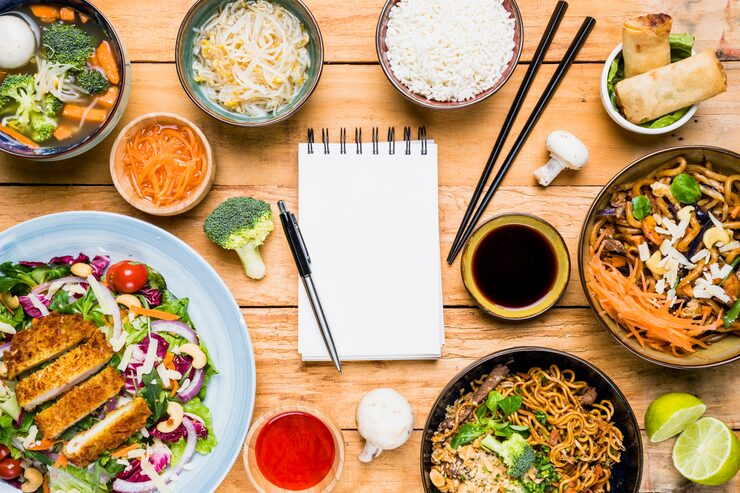
Can you reheat Chinese food? Yes, you can reheat Chinese food, but only if it has been stored and reheated safely. Most Chinese takeaway leftovers can be reheated the next day if they have been cooled quickly, stored in the fridge, and reheated until steaming hot throughout.
Quick Overview
When reheating Chinese takeaway, it’s important to do it safely to avoid food poisoning and keep the texture as good as possible. You’ll learn why proper storage and reheating matters, how different foods need different methods, and how to make sure leftovers are safe to eat.
Whether you’ve got rice, noodles, stir-fries, or crispy items, this guide helps you understand:
✅ How to store Chinese food safely in the fridge
✅ How to reheat different dishes properly (microwave, hob, oven, air fryer, steaming)
✅ Key food safety rules like reheating only once and heating until steaming hot
✅ Which foods reheat well and which should be avoided or binned if unsafe
The best reheating method depends on the dish. Fried rice, noodles, saucy chicken, crispy beef, spring rolls, dumplings, and prawn dishes all require slightly different reheating approaches to ensure both safety and quality are maintained.
The key food safety rule is simple: reheat Chinese food only once, ensure it is piping hot all the way through, and avoid eating food that has been left out at room temperature for too long. These steps help reduce the risk of foodborne illness and preserve the quality of your leftovers.
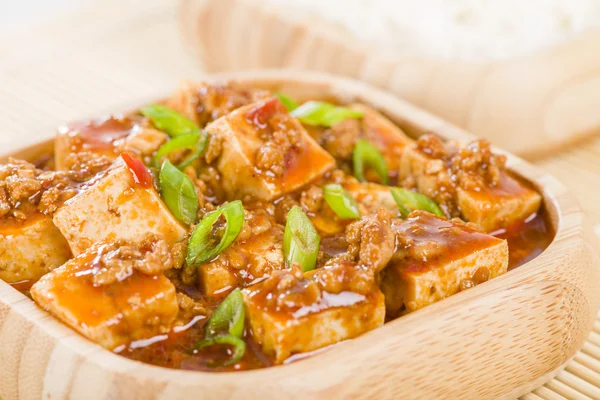
In this guide, we’ll explain how to reheat Chinese food safely, which dishes reheat best, what methods to use for different foods, and when leftover takeaway should be binned.
The Best Ways to Reheat Chinese Food
If you are wondering can you reheat Chinese food, the answer is yes, provided it has been stored and reheated safely. Understanding how to reheat Chinese food properly is important for both food safety and maintaining the best texture and flavour.
The best way to reheat Chinese food depends on the texture of the dish. Crispy foods need dry heat, saucy dishes need gentle stirring, steamed foods need moisture, and rice and noodles need extra care as they can dry out or heat unevenly.
Here is a quick guide:
| Chinese Food | Best Method | Why It Works |
| Egg fried rice | Microwave or wok | Heats quickly with a little moisture |
| Chow mein or lo mein | Hob or microwave | Helps loosen noodles |
| Beef and broccoli | Hob | Sauce heats evenly |
| Chicken in black bean sauce | Hob or microwave | Keeps meat and sauce moist |
| Spring rolls | Oven or air fryer | Restores crispness |
| Chicken balls | Oven or air fryer | Better for battered coating |
| Dumplings | Steamer or microwave | Keeps them soft |
| Bao buns | Steamer or microwave | Prevents drying |
| Prawn dishes | Hob or microwave | Allows gentle, even reheating |
If you have a mixed takeaway order, avoid reheating everything together. Rice, sauces, crispy sides, and steamed items all reheat better when handled separately. This also improves safety, as smaller portions heat more evenly and reduce the risk of cold spots.
Reheating in the Microwave
You can reheat Chinese food in a microwave, and it is often the quickest option. If you are asking how do you reheat Chinese food, the microwave is commonly used for rice, noodles, saucy dishes, and small portions.
The microwave is not the best choice for crispy items because steam can soften batter, pastry, and fried coatings.
To reheat Chinese food in a microwave, transfer it to a microwave-safe dish. Add a small splash of water to rice or noodles to retain moisture. Cover the dish loosely with a microwave-safe lid or plate, leaving a small gap for steam to escape.
Heat in short bursts and stir between each interval. Continue until the food is steaming hot throughout.
The microwave is useful for:
- Egg fried rice
- Boiled rice
- Chow mein
- Lo mein
- Chicken curry
- Beef and broccoli
- Chicken in black bean sauce
- Small portions of saucy dishes
A common issue when learning how to reheat Chinese food in the microwave is uneven heating. The edges may become very hot while the centre remains only warm, which is why stirring is essential.
For food safety, do not microwave leftovers in the original plastic container unless it is clearly labelled microwave-safe. Many takeaway containers are intended for transport, not reheating.
Understanding can you reheat Chinese food safely depends on using the correct method and ensuring food is reheated evenly to a safe temperature.
Reheating on the Hob (Stovetop)
If you are wondering, can you reheat Chinese food on the hob, the answer is yes. The hob is one of the best ways to reheat Chinese food, especially saucy dishes, noodles, and stir-fries.
Use a pan, wok, or saucepan over medium heat. Add a splash of water, stock, or sauce if the food has thickened in the fridge. Stir regularly until the food is steaming hot throughout.

The hob works well for:
- Beef and broccoli
- Chicken in black bean sauce
- Chicken curry
- Kung pao chicken
- Satay chicken
- Chow mein
- Lo mein
- Fried rice
- Stir-fried vegetables
- Prawn stir-fries
The hob is especially good for noodles because you can loosen them as they heat. Noodles often clump together in the fridge, so a small amount of water or sauce helps bring them back.
It is also useful for fried rice. A wok or frying pan helps separate the grains and heat the rice more evenly. If you are researching can you reheat Chinese food safely, this method is often recommended for rice and noodle dishes.
Keep the heat moderate. High heat can dry out the sauce or make meat tough before the dish is properly hot. According to food safety guidance, leftovers should be reheated until they are piping hot all the way through before serving.
Many people also ask, can you reheat food twice or can you reheat cooked food twice. While some foods can technically be reheated more than once if stored correctly, food safety experts generally recommend reheating leftovers only once to minimise risk and maintain quality.
Reheating in the Oven
If you are asking, can you reheat Chinese food in the oven, this method works best for crispy, battered, or dry-style dishes.
Preheat the oven to around 180°C. Place the food on a baking tray lined with foil or baking paper. Reheat for around 8 to 15 minutes, turning halfway through where needed.
The oven works well for:
- Spring rolls
- Crispy beef
- Prawn toast
- Salt and pepper ribs
- Chicken balls
- Sweet and sour battered chicken
- Crispy wontons
- Dry-style appetisers
For anyone wondering can you reheat Chinese food and keep it crispy, the oven is usually one of the best reheating methods because it helps restore texture without making the coating soggy.
The oven is not usually the best choice for plain rice, noodles, or very saucy dishes. These can dry out. If you must reheat a saucy dish in the oven, use an oven-safe dish and cover it loosely with foil.
If you are wondering can you reheat food twice using the oven, the same food safety advice applies. Reheat only the portion you intend to eat and ensure it is steaming hot throughout. For those asking can you reheat cooked food twice, repeated reheating is generally discouraged because it can affect both food safety and quality.
Never put plastic takeaway containers in the oven. They can melt or release unwanted substances into the food. Transfer leftovers to an oven-safe tray or dish before reheating. If your goal is to determine can you reheat Chinese food safely, using the correct container is an important part of the process.
The Best Methods for Different Dishes
Different Chinese dishes need different reheating methods. The aim is to make the food safe to eat while keeping the texture as close as possible to the original meal. If you are wondering can you reheat Chinese food, the answer depends on the type of dish and the reheating method you choose.
A crispy spring roll and a bowl of beef in black bean sauce should not be reheated in the same way. Rice also needs more care than many people realise. For those asking can you reheat Chinese food the next day, most leftovers can be safely reheated if they have been cooled quickly, stored in the fridge, and reheated until piping hot throughout.
For Fried or Battered Items
Fried or battered items include spring rolls, sweet and sour chicken balls, crispy beef, salt and pepper ribs, prawn toast, battered prawns, and crispy wontons.
Best method: oven or air fryer
Temperature: 170°C–180°C
Time: 5–15 minutes
Spread the food in a single layer. Do not pile pieces on top of each other. Turn them halfway through so both sides heat evenly.
Avoid the microwave for these foods if texture matters. It will heat them, but it usually makes the coating soft.
For anyone asking can you reheat Chinese food in an air fryer, the answer is yes. An air fryer is often one of the best options for restoring crispness to fried and battered takeaway items.
For sweet and sour chicken balls, reheat the chicken and sauce separately if possible. Warm the chicken balls in the oven or air fryer, then heat the sauce in a small pan or microwave-safe bowl. Pour the sauce over just before eating.
For spring rolls, dry heat is best. The wrapper can crisp again if you avoid overcrowding.
For salt and pepper ribs, use moderate heat. If they look dry, cover loosely with foil for the first few minutes, then uncover near the end.
If you are wondering can you reheat Chinese food in the oven, this is also an excellent choice for crispy takeaway favourites because it helps maintain their texture better than a microwave.
For Rice and Noodles
Rice and noodles are common Chinese takeaway leftovers, but they need careful reheating.
For rice:
- Best method: microwave or wok
- Time: 2–6 minutes
- Tip: add a splash of water and stir well
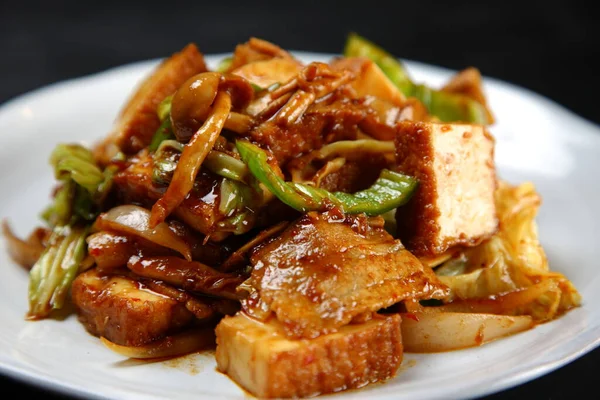
For noodles:
- Best method: hob, wok, or microwave
- Time: 3–8 minutes
- Tip: add a little water or sauce to loosen them
Rice should be cooled quickly after the meal and kept in the fridge. The issue with rice is not simply reheating it. The bigger risk is rice that has been left at room temperature for too long before being refrigerated.
If rice has been sitting out for hours, especially overnight, it is safer to throw it away.
When reheating rice, break up clumps before heating. Add a small splash of water, cover loosely, and stir during reheating. Make sure the rice is steaming hot throughout.
Noodles are usually easier to reheat than rice, but they can dry out. A wok or frying pan works well because you can add moisture and toss the noodles as they heat.
If the noodles contain chicken, prawns, pork, beef, or egg, check that everything is hot throughout.
For those asking can you reheat Chinese food the next day, rice and noodle dishes are generally safe to reheat when stored correctly in the fridge and reheated thoroughly.
For Saucy Entrees
Saucy entrees include beef and broccoli, chicken in black bean sauce, chicken curry, satay chicken, kung pao chicken, tofu in sauce, and mixed vegetables.
Best method: hob
Alternative: microwave
Time: usually 5–10 minutes on the hob
Place the food in a pan over medium heat. Add a splash of water if the sauce has thickened. Stir regularly until everything is steaming hot.
The hob is usually better than the microwave for saucy mains because it gives you more control. You can stir the sauce, check the meat, and stop the dish from sticking.
If using the microwave, heat in short bursts and stir between each one.
Be careful with large pieces of meat. A piece of chicken may feel hot on the outside but still be cooler in the centre. Cut large pieces in half before reheating if needed.
Saucy dishes are not usually ideal for the air fryer. The sauce can splatter, dry out, or become sticky. Therefore, if you are researching can you reheat Chinese food in an air fryer, it is generally better to reserve the air fryer for crispy dishes rather than saucy mains.
For Steamed Dishes
Steamed dishes include dumplings, bao buns, siu mai, and other dim sum items.
Best method: steamer
Alternative: microwave with moisture
Time: 3–8 minutes
These foods need moisture. Dry heat can make them tough, rubbery, or cracked.
If you have a steamer, use it. Place the dumplings or bao in the steamer and heat until hot throughout.
If you do not have a steamer, use a covered pan with a small amount of water. Do not let the pan boil dry.
The microwave can also work. Place the dumplings or bao on a microwave-safe plate, cover with a damp paper towel, and heat in short bursts.
Avoid reheating bao buns in the oven or air fryer unless you are happy with a firmer texture. They are meant to be soft, so steam is usually better.
A common question is can you reheat Chinese food twice. While it may be possible in some circumstances, food safety guidance generally recommends reheating leftovers only once. Repeated cooling and reheating can increase food safety risks and may affect the quality of the food.
Should You Use an Air Fryer to Reheat Chinese Food?
If you are wondering can you reheat Chinese food in an air fryer, the answer is yes, but only certain dishes work well.
An air fryer is best for crispy, fried, and dry-style Chinese leftovers. It uses hot circulating air, which can restore texture more effectively than a microwave.
Good air fryer options include:
- Spring rolls
- Prawn toast
- Chicken balls
- Crispy beef
- Salt and pepper chips
- Salt and pepper ribs
- Crispy wontons
- Battered prawns
Set the air fryer to around 170°C to 180°C. Reheat for 4 to 10 minutes, depending on the size and thickness of the food. Turn or shake the food halfway through to help it heat evenly.
Do not overcrowd the basket. Air must be able to circulate around the food for the best results.
Many people also ask, can you reheat Chinese food in a microwave? The answer is yes, and the microwave is often the better option for rice, noodles, and saucy dishes. However, for crispy takeaway items, an air fryer usually produces a better texture.
Avoid using the air fryer for soups, loose sauces, saucy noodles, plain rice, beef and broccoli, chicken in black bean sauce, dumplings, or bao buns. These dishes generally need moisture or stirring during reheating and may dry out in an air fryer.
If you are researching can you reheat Chinese food safely, it is important to choose the reheating method that suits the dish. Crispy sides often work best in the air fryer, while rice, noodles, and saucy mains are usually better reheated using other methods.
If you are reheating a mixed meal, separate it first. Put crispy sides in the air fryer, rice in the microwave, and saucy meat dishes on the hob. This helps ensure that each item reheats evenly and maintains its texture.
For food safety, always make sure leftovers are reheated until piping hot throughout before serving. This is particularly important when deciding can you reheat Chinese food the next day, as thorough reheating helps ensure the food is safe to eat.
Do not put plastic containers, cardboard boxes, or loose sauce into an air fryer. Always transfer leftovers to suitable cookware before reheating.
Dishes That Reheat Well (and Those That Don’t)
Some Chinese dishes make excellent leftovers, while others lose texture quickly or require extra caution when reheating.
Great for Reheating
Egg fried rice can reheat well if it has been cooled quickly, stored safely, and reheated only once. The microwave or wok works best. If you are wondering can you reheat Chinese food, rice-based dishes are generally safe when handled correctly.
Chow mein and lo mein usually reheat well on the hob. A little water or sauce helps loosen the noodles and restore texture.
Beef and broccoli reheats well because the sauce helps keep the meat and vegetables moist. Chicken in black bean sauce also reheats well, provided the chicken is heated thoroughly throughout.
Spring rolls, prawn toast, crispy beef, and chicken balls can reheat well in the oven or air fryer. Dumplings and bao buns reheat well with steam, as moisture helps keep them soft.
Salt and pepper chips can reheat well in an air fryer or oven. A short burst of dry heat can help improve texture.
Not Ideal for Reheating
Very crispy foods that are already covered in sauce are difficult to restore. Once the coating has absorbed moisture, it rarely becomes crisp again.
Seafood can become rubbery if overheated. Prawns, squid, and fish need gentle reheating and should not be reheated if storage is uncertain.
Plain rice can be risky if it has been left out too long. Reheating does not make unsafe food safe again, which is important when considering can you reheat Chinese food safely.
Dishes with fresh salad, cucumber, herbs, or cold garnishes may not reheat well. These should be removed before reheating.
Food that has already been reheated should not be reheated again.

Large mixed containers are also not ideal, as rice, meat, sauce, and crispy sides all heat differently and are best separated.
Food Safety Golden Rules
Chinese food can be safe as leftovers, but only if it is handled properly. If you are asking can you reheat Chinese food, food safety depends on correct storage and reheating.
The golden rules are simple: refrigerate promptly, handle rice carefully, reheat thoroughly, and reheat only once.
These rules matter because Chinese takeaway often contains rice, meat, seafood, egg, and sauces, which can become unsafe if left warm for too long or reheated incorrectly.
Refrigerate Promptly
Do not leave Chinese takeaway sitting out for hours.
Once you have finished eating, cool leftovers as quickly as possible and place them in the fridge. Use clean, shallow containers where possible, as smaller portions cool faster than one large packed box.
Do not leave food in the takeaway bag on the counter overnight.
If food has been left out for too long, reheating may not make it safe. This is especially important for rice, prawns, chicken, and egg-based dishes.
This is also important when considering can you reheat Chinese food 2 days later, as proper refrigeration within safe time limits is essential.
Handle Rice Carefully
Rice needs extra care.
Cooked rice should be cooled quickly, refrigerated promptly, and reheated only once. If you have leftover egg fried rice, put it in the fridge as soon as possible after the meal.
When reheating rice, make sure it is steaming hot throughout. Break up clumps, add a splash of water, and stir during reheating.
Can you reheat Chinese food the next day? Yes, including rice, if it has been stored safely. But if rice has been left out overnight, it should not be eaten.
Can you reheat Chinese food 2 days later? Some dishes may still be safe within 48 hours if refrigerated properly, but rice is best eaten sooner for safety and quality.
Reheat Thoroughly
Chinese food should always be reheated until it is steaming hot throughout, not just warm at the edges.
This is especially important for chicken, pork, beef, prawns, rice, noodles, egg-based dishes, and mixed meals.
If using the microwave, stir halfway through. If using the hob, stir regularly. If using the oven or air fryer, turn thicker pieces and check the centre.
Do not judge by appearance alone. Crispy food may brown before the centre is hot, while saucy food may bubble at the edges while still being cool inside.
One Reheat Only
Can you reheat food twice? It is best not to.
Can you reheat cooked food twice? The safe recommendation is no.
Can you reheat Chinese food twice? This should be avoided.
Repeated cooling and reheating increases the risk of bacterial growth and reduces food quality, particularly for rice, prawns, chicken, and noodles.
The same applies when considering can you reheat Chinese food in the plastic container, as the issue is not just the container but also repeated reheating and food safety handling. Always transfer leftovers into suitable containers if needed and only reheat once.
A better approach is to portion leftovers before storing them. Reheat only what you plan to eat and keep the rest properly chilled.
Once food has been reheated, it should be eaten immediately.
How Long Can You Keep Chinese Food in the Fridge?
If you are wondering can you reheat Chinese food, the answer depends on how it has been stored. Most Chinese food leftovers should be eaten within 48 hours if they have been cooled quickly and refrigerated properly.
Some foods require extra caution. Rice should ideally be eaten within 24 hours before reheating, while prawn dishes are also best consumed sooner rather than later due to their higher food safety risk.
Leftover Chinese Food – Fridge Storage Guide
| Leftover Chinese Food | Fridge Storage Guide | Best Reheating Method |
| Egg fried rice | Ideally within 24 hours | Microwave or wok |
| Boiled rice | Ideally within 24 hours | Microwave with water |
| Noodles | Up to 48 hours | Hob or microwave |
| Saucy chicken dishes | Up to 48 hours | Hob or microwave |
| Beef or pork dishes | Up to 48 hours | Hob |
| Prawn dishes | Best within 24 hours | Hob or microwave |
| Spring rolls | Up to 48 hours | Oven or air fryer |
| Dumplings | Up to 48 hours | Steamer or microwave |
| Bao buns | Up to 48 hours | Steamer or microwave |
For those asking can you reheat Chinese food with prawns, it is generally safe if the prawns have been stored correctly and reheated thoroughly until steaming hot. However, prawn dishes should always be treated with extra care and eaten sooner where possible.
These timings only apply if the food was stored safely. If it has been left out at room temperature for too long before refrigeration, fridge storage does not make it safe again.
Do not taste questionable food to check whether it is safe. If in doubt, it should be thrown away.
What to Avoid When Reheating Chinese Food
Avoid reheating Chinese food in the box unless it is clearly labelled as microwave-safe and you are only using a microwave. If you are asking can you reheat Chinese food in the box, it is generally safer to transfer food into a proper dish before reheating. (food.gov.uk)
Never put plastic takeaway containers in the oven or air fryer, as they can melt, warp, or release unwanted substances into food.
It is also important to avoid:
- Reheating rice that has been left out for hours
- Reheating prawns if storage is uncertain
- Reheating Chinese food twice
- Reheating large packed containers without stirring
- Using a slow cooker for cold leftovers
- Microwaving crispy food if you want it to stay crunchy
- Mixing rice, sauce, and crispy sides together before reheating
A slow cooker is not suitable for reheating Chinese leftovers because it heats food too slowly, which may allow bacteria to grow in the danger zone. Faster methods such as the microwave, hob, oven, or air fryer are safer and more effective.
Understanding can you reheat Chinese food safely comes down to proper storage, correct reheating methods, and avoiding unsafe practices such as improper container use or repeated reheating.
Signs Your Leftover Chinese Food Should Be Binned
Sometimes the safest choice is to throw the food away.
Bin leftover Chinese food if it has been left out for several hours, especially in a warm room. Also discard it if you do not know how long it has been at room temperature.
Do not eat leftovers if they smell sour, unpleasant, or different from when they were freshly prepared.

Look for changes in texture. Slimy meat, sticky noodles, unusually wet rice, separated sauce, or any signs of mould are clear warning indicators.
Be extra careful with prawns and seafood. If you are wondering can you reheat Chinese food with prawns, the answer is yes only if it has been cooled quickly, stored safely in the fridge, and reheated once until steaming hot throughout. If there is any doubt about storage or smell, it is safer to bin it.
Rice also needs particular caution. If leftover rice has been left out overnight, it should not be reheated the next day.
A useful food safety rule is simple: when in doubt, throw it out.
Final Thoughts on Reheating Chinese Food
You can reheat Chinese food safely, but the method matters.
Use the microwave for rice, noodles and small saucy portions. Use the hob for stir-fries, noodles and saucy dishes. Use the oven or air fryer for crispy items such as spring rolls, chicken balls, prawn toast and ribs. Use steam for dumplings and bao buns.
The key safety rules are straightforward. Refrigerate leftovers promptly, handle rice carefully, reheat food until it is steaming hot throughout and reheat only once.
Chinese food can make excellent leftovers when stored and reheated properly. But if it has been left out too long, smells wrong, looks spoiled, contains prawns you are unsure about or has already been reheated once, it is safer to bin it.
For learners interested in food hygiene, catering, hospitality or everyday kitchen safety, knowing how to reheat takeaway leftovers properly is a useful practical skill. Tyne Academy supports learners who want clear, practical knowledge that helps them build safer habits at home and in real workplace settings.