

The best email marketing strategies for UK small businesses are not based on sending more messages. They are based on sending useful messages to the right people, at the right stage of the customer relationship, with a clear reason for the recipient to open, read and act.
Email remains valuable because a business can communicate directly with people who have chosen, or can lawfully be contacted, through a channel that is not entirely dependent on social-media algorithms. It can support repeat purchases, customer education, event promotion, abandoned enquiries and long-term customer retention.
However, UK businesses cannot treat an email address as automatic permission to send unlimited promotions. PECR and UK data-protection requirements matter, particularly around consent, the soft opt-in, unsubscribe requests and tracking.
This guide explains practical email marketing strategies for UK small businesses, how to build effective email campaigns UK customers actually want to receive, when email automation is useful and how email fits within a wider digital marketing strategy.
What Is Email Marketing and Why Is It Important?
Email marketing is the use of email to communicate promotional, commercial or relationship-building messages to customers, prospects or other relevant audiences.
A campaign could advertise a sale, introduce a new product, remind customers about a service or share useful information.
Email can also form part of an automated customer journey.
For example, somebody downloads a useful guide from a business website. They receive the requested material immediately. Later, subject to the applicable marketing permissions, they may receive relevant educational content or information about related services.
An ecommerce company may send different messages after somebody places an order, while a professional-services business might use email to keep existing clients informed about relevant changes.
The important point is that not every business needs the same type of campaign.
A restaurant might use email to encourage repeat bookings. An accountant may send practical tax updates. A retailer may announce new products. A training provider could remind learners about relevant programmes.
Good email marketing begins with the relationship and purpose rather than with the software.
Why Email Marketing Matters for UK Small Businesses
Small businesses frequently spend significant time and money acquiring customers and then devote comparatively little attention to maintaining the relationship.
Email can help correct that imbalance.
Someone who has already bought from a business is different from an anonymous person seeing its advert for the first time. The business may already understand what the customer purchased, when the relationship began and which products or services may genuinely be relevant later.
That makes email particularly useful for customer retention.
A bicycle shop could remind customers about servicing. A beauty business might communicate appointment availability. A software company can send useful onboarding material before promoting an upgraded service.
Email also provides more control than many social channels.
A business does not completely control deliverability, because mailbox providers still decide how messages are handled, but it does control the subscriber relationship, campaign content and frequency much more directly than it controls the reach of a social-media post.
It can also be relatively inexpensive.
A small business may be able to begin with a free or low-cost platform before increasing expenditure as its subscriber list and automation requirements grow.
The commercial value nevertheless depends on quality.
A large list of people who never engage is not necessarily an asset. A smaller audience that genuinely wants relevant communication may be far more useful.
Essential Email Marketing Skills, Strategies, and Tools
Successful email marketing combines several disciplines.
Audience understanding
Before writing a subject line, understand who should receive the email.
Existing customers may need different messages from prospective customers.
A customer who recently bought a product does not necessarily need another immediate sales pitch for the same item.
Segmentation allows businesses to communicate according to customer context rather than broadcasting everything to everybody.
Copywriting
Marketing emails need a clear purpose.
The reader should quickly understand:
why the email campaigns UK was sent;
why the information matters;
what is being offered; and
what they should do next.
Good copy is usually simpler than businesses expect.
Long introductions and excessive marketing language can obscure the message.
List management
email campaigns UK lists require maintenance.
Invalid addresses, unsubscribed users and inactive contacts should be handled appropriately.
Businesses should also maintain suppression information so people who have objected or unsubscribed are not accidentally re-added to active marketing lists.
Basic analytics
Marketers need to understand whether campaigns are generating useful behaviour.
Metrics can include delivery, clicks, unsubscribes, conversions and revenue where reliable attribution is available.
Open-rate data should be interpreted carefully rather than used as the sole performance measure, particularly because tracking technologies and privacy controls can affect how opening activity is recorded.
Compliance knowledge
Every small business sending promotional email campaigns UK should understand the basics of PECR and UK GDPR.
This is not merely a large-company concern.
Knowing when consent is required, when a soft opt-in may apply and how opt-outs must be handled is part of responsible email marketing.
Best Email Marketing Strategies for UK Small Businesses
The following strategies can work across many industries when adapted to the actual customer journey.
1. Build Your List Through Genuine Customer Interest
A good email campaigns UK strategy starts with how addresses enter the database.
Do not focus on collecting the largest possible number of email campaigns UK addresses.
Collect contacts where there is a legitimate reason for people to hear from the business.
Possible routes include:
- newsletter registration;
- customer checkout;
- quotation requests;
- event registration;
- downloadable resources; and
- account creation where marketing choices are presented appropriately.
When relying on consent, it should involve a clear positive action.
A pre-ticked box is not valid consent.
Likewise, an email campaigns UK address provided solely to receive an electronic receipt does not automatically mean the person agreed to unrelated promotional email.
Clear collection produces a healthier list because people understand what they are joining.
2. Understand the Soft Opt-In Properly
The commercial soft opt-in is frequently misunderstood.
A UK business may sometimes send marketing emails to an individual without explicit consent where it obtained the person’s details directly during a sale or genuine negotiation for a sale, the marketing concerns its own similar products or services and it offered a clear opportunity to opt out both when collecting the details and in each subsequent marketing message.
This can cover more than completed purchases.
For example, somebody requesting genuine details about buying a product may sometimes fall within negotiations for a sale.
However, merely browsing a website does not.
Neither does obtaining an email campaigns UK address from somebody else’s database.
The soft opt-in is therefore a defined legal mechanism, not shorthand for “they might be interested”.
If the conditions are uncertain, businesses should obtain appropriate advice or rely on a compliant consent process rather than stretching the exception.
3. Segment Customers According to Meaningful Differences
One of the most effective email marketing strategies for UK small businesses is sending fewer irrelevant messages.
Segmentation helps.
An online retailer might distinguish:
first-time customers;
repeat customers;
customers interested in particular product categories; and
subscribers who have never purchased.
A professional service may segment according to service type.
A training provider could distinguish learners according to subject interest.
Segmentation should have a business purpose.
Creating 40 tiny audience groups simply because the software allows it may make campaign management unnecessarily complicated.
Start with two or three differences that materially affect what someone would want to receive.
4. Create a Useful Welcome Sequence

When somebody lawfully joins a marketing list, the first few emails help establish expectations.
A welcome sequence can introduce the business without immediately sending a stream of discounts.
A straightforward sequence might include:
Email one: deliver what was promised and introduce the business.
Email two: answer a common customer question or provide a genuinely useful resource.
Email three: explain a relevant product, service or next step.
The exact structure should match the customer journey.
A consultancy does not need the same welcome programme as an ecommerce shop.
The purpose is to help the subscriber understand why staying on the list is worthwhile.
5. Prioritise Useful Content Over Constant Promotion
If every message asks the recipient to buy something, the email campaigns UK list can become exhausting.
A strong campaign mix combines commercial messages with genuine usefulness.
An independent gardening company might email campaigns UK seasonal maintenance advice.
An accountant can explain a forthcoming deadline.
A fitness studio could send practical class preparation guidance.
Useful content supports trust and keeps the business relevant between purchases.
That does not mean hiding the commercial objective.
email campaigns UK is marketing.
A useful message can still contain a clear call to action.
The difference is that the recipient receives something valuable even if they do not buy immediately.
6. Use Customer Lifecycle Emails
Different customers need different messages at different times.
A lifecycle approach might include:
welcome;
first purchase;
onboarding;
repeat purchase;
renewal;
re-engagement; and
post-purchase follow-up.
This is where email automation becomes particularly useful.
Instead of manually checking when each customer purchased, the system can trigger a relevant sequence based on defined events.
Automation should reflect real customer needs rather than simply create more opportunities to send messages.
A customer buying a long-lasting item should not receive a repurchase reminder three days later simply because the technology makes it possible.
7. Use Post-Purchase Email to Improve Customer Retention
The sale should not automatically end the email relationship.
Post-purchase communication can reduce uncertainty and encourage successful use of the product or service.
For example, a business might send:
order confirmation;
delivery information;
setup guidance;
care instructions;
support information; or
an appropriate request for feedback.
Later communications may introduce complementary products or repeat services where relevant and lawful.
This supports customer retention because the company remains useful after receiving payment.
It can also reduce customer-service work if common post-purchase questions are answered proactively.
8. Re-Engage Inactive Subscribers Carefully
A large list naturally accumulates inactive contacts.
Continuing to email everybody indefinitely is not always useful.
A re-engagement campaign might ask whether the subscriber still wants relevant communications or show what they have been missing.
If somebody remains inactive, consider whether keeping them in the main sending audience creates any value.
List quality matters for both cost and performance, because many providers charge according to contacts or sending volume.
The objective is not to force engagement.
It is to determine whether the relationship still exists.
9. Keep Subject Lines Clear
A subject line should create enough interest to open the email campaigns UK without misleading the recipient.
Artificial urgency may generate attention temporarily but damage trust.
For example:
“Your account is about to expire”
is inappropriate if the account is not actually expiring.
Similarly, pretending a promotional email campaigns UK is a personal reply by using misleading prefixes or wording can create a poor customer experience.
Strong subject lines are often direct:
“Your September appointment availability”
“Three changes to our winter delivery schedule”
“New workshop dates for October”
Clarity can be persuasive.
10. Use One Main Call to Action
An email campaigns UK containing six competing goals can leave the reader unsure what matters.
A campaign should normally have one dominant objective.
That might be:
Book now.
Read the guide.
View the collection.
Request a quote.
Renew your membership.
Secondary links can still exist, but the primary action should be obvious.
This also makes campaign measurement easier because the business knows which behaviour the email was intended to create.
11. Make Emails Mobile-Friendly
Many recipients read email campaigns UK on phones.
That makes long lines of tiny text, oversized images and small buttons particularly frustrating.
Use readable text, clear spacing and calls to action that are easy to select on a touchscreen.
The important message should not depend entirely on images because images may not always load as expected.
Test campaigns across common devices before sending them widely.
12. Test One Meaningful Variable at a Time
A/B testing can help businesses improve campaigns.
But random testing produces random conclusions.
Useful variables may include:
subject line;
call-to-action wording;
offer presentation;
email length; or
send timing.
If multiple major elements change simultaneously, it becomes difficult to know which change affected performance.
Small lists also create statistical limitations.
Do not overinterpret tiny differences from a very small sample.
Testing should inform judgement rather than replace it.
Email Marketing Costs, Platforms, Requirements, and Compliance
Email marketing can begin inexpensively, but costs increase with subscriber numbers, sending frequency and automation complexity.
Popular platform options
A compact comparison illustrates the market as of September 2026:
| Platform | Free starting point | Useful for |
| Mailchimp | Up to 250 contacts and 500 monthly sends | Familiar general-purpose email marketing |
| MailerLite | Up to 250 subscribers and 2,500 monthly emails | Small teams wanting newsletters and basic automation |
| Brevo | Up to 300 emails per day | Businesses wanting email plus wider messaging/automation |
| HubSpot | Free marketing tools for up to 2 users | Businesses combining CRM, leads and marketing |
| Klaviyo | Up to 250 active profiles and 500 monthly emails | Ecommerce and behaviour-led customer marketing |
These limits and prices change regularly.
Businesses should compare the plan they are likely to need after six or twelve months rather than choosing solely by the most generous free allowance.
Mailchimp
Mailchimp remains a well-known option and includes campaign building, audience tools, forms and automation across its plans.
Its Free plan is now relatively limited, supporting up to 250 contacts and 500 monthly sends.
The Essentials tier starts at US$13 per month for up to 500 contacts on the pricing reviewed.
It can suit small businesses wanting a mature general-purpose email platform, although costs can increase as contact numbers grow.
MailerLite
MailerLite’s updated 2026 Free plan supports up to 250 subscribers and 2,500 monthly emails.
It also includes campaign editors, several automations, signup forms and a landing page.
Its paid Comfort tier starts from US$12 a month.
It can be attractive to smaller organisations that want straightforward newsletters and automation without a much broader CRM suite.
Brevo
Brevo’s Free plan currently allows 300 emails each day and stores a much larger contact database, although sending remains limited.
It also includes basic automation and transactional messaging.
Starter begins at US$9 per month, while the Standard tier adds more sophisticated automation, A/B testing and reporting.
This makes Brevo useful when email campaigns UK forms part of a broader customer-communication strategy.
HubSpot
HubSpot combines email marketing with CRM, forms, landing pages, sales and customer-management functionality.
Its free tools can suit small teams building their first organised lead database.
The current Starter configuration begins from US$7 per seat per month on annual billing and includes 1,000 marketing contacts in the package reviewed.
HubSpot becomes particularly relevant where email needs to connect closely with sales activity.
Klaviyo
Klaviyo is especially relevant to ecommerce.
Its Free plan currently allows up to 250 active profiles and 500 monthly email sends.
Its strength is using customer and ecommerce data for segmentation, flows and campaign measurement.
For a local consultancy or professional-services firm, simpler software may be more appropriate.
Compliance requirements
The software does not make a campaign lawful.
Businesses remain responsible for deciding whether they have a valid basis to send marketing.
For individual subscribers, unsolicited promotional email campaigns UK normally requires consent unless the relevant soft-opt-in requirements are satisfied.
Rules are different for corporate subscribers, although UK GDPR obligations may still apply where personal information is used.
Businesses must also identify themselves rather than concealing the sender and provide an appropriate means of opting out.
Sole traders and certain partnerships need particular care because they do not automatically fall under the same PECR treatment as limited companies.
Email Marketing Campaigns, Tasks, and Best Practices
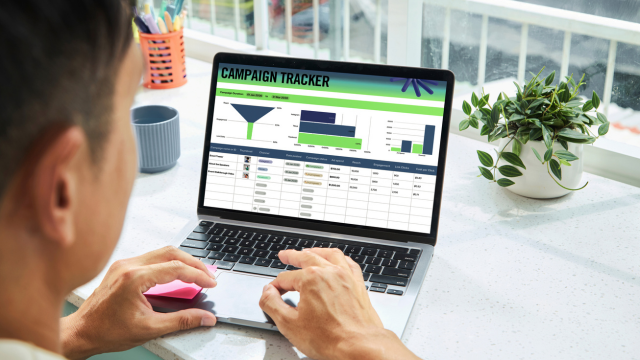
Good email marketing involves routine maintenance rather than occasional mass sends.
Maintain a campaign calendar
Plan important campaigns around actual commercial events.
This might include seasonal demand, product releases, renewal periods, workshops or customer milestones.
A calendar helps prevent last-minute promotional emails that exist only because nobody planned anything earlier.
Keep the database clean
Correct obvious errors and respect unsubscribe requests.
Do not repeatedly re-import old spreadsheets containing people who previously opted out.
A suppression list is valuable because it allows the business to remember whom it should not contact.
Deleting every trace of an unsubscribed email campaigns UK address can sometimes make accidental re-contact more likely.
Review deliverability
If large numbers of emails bounce or recipients mark campaigns as spam, investigate.
List quality, message frequency and domain configuration can all affect delivery.
Businesses sending at scale may also need to understand technical authentication such as SPF, DKIM and DMARC.
Measure conversions
Email metrics should connect with business results.
A retailer might track purchases.
A professional service may track consultations booked.
A venue could monitor reservations.
Click-through rates can be useful, but they are an intermediate measure.
A campaign producing fewer clicks but more profitable customers may be the better campaign.
Business Growth Opportunities Through Email Marketing
Email can support business growth because it builds value from customer relationships the business has already created.
Increase repeat business
For businesses with repeat purchase cycles, relevant reminders can bring customers back at an appropriate time.
A vehicle service centre, for example, may remind customers about future servicing.
A subscription business can communicate before renewal.
Support cross-selling
Customers may genuinely benefit from related products or services.
A customer purchasing running shoes may later be interested in suitable accessories.
A company receiving bookkeeping services may eventually require payroll.
Cross-selling works best when the relationship is obvious rather than when every customer receives every offer.
Recover incomplete journeys
Someone may request a quote but not proceed.
Where lawful and appropriate, a follow-up email campaigns UK can answer common objections or provide additional information.
Ecommerce businesses may also use abandoned-basket campaigns.
These campaigns should remain proportionate. A customer who decided not to buy does not need ten reminders.
Strengthen customer relationships
Newsletters can maintain contact between purchases.
For service businesses with long buying cycles, this matters particularly.
A homeowner may not need another roofing service for years, but useful communication can keep the company familiar enough to be remembered or recommended.
How to Build a Successful Email Marketing Strategy for a UK Small Business
A strong strategy can be built in stages.
Step 1: Define the commercial objective
Decide what email should achieve.
Examples include:
increase repeat purchases;
generate more consultations;
improve renewals;
support new-customer onboarding; or
reduce customer inactivity.
A vague objective such as “send more newsletters” is not enough.
Step 2: Audit how contacts were collected
Before uploading existing customer lists, determine where the addresses came from.
Do you have valid consent?
Does the soft opt-in apply?
Are there previous objections or unsubscribes?
Did another organisation collect the data?
Compliance is easier when addressed before a campaign begins.
Step 3: Choose a suitable platform
Match the system to your requirements.
A small newsletter may need only MailerLite or Mailchimp.
A growing sales business may benefit from HubSpot.
An ecommerce business may gain more from Klaviyo.
A business needing broader multichannel communication may consider Brevo.
Do not pay for advanced email automation before the customer journey actually requires it.
Step 4: Create a simple segmentation structure
Begin with meaningful categories.
For example:
prospects;
new customers;
repeat customers;
inactive customers.
More detail can be added later.
Step 5: Build two or three core campaigns
Start with the highest-value journeys.
That might mean:
a welcome series;
post-purchase emails; and
a re-engagement or renewal sequence.
Do these well before building twenty automations.
Step 6: Establish a consistent sending rhythm
There is no universal ideal frequency.
A daily-deals retailer may reasonably send much more frequently than an accountant.
Choose a frequency based on how often you have something useful to say and what subscribers were led to expect.
Consistency is preferable to disappearing for six months and then suddenly sending several promotions in one week.
Step 7: Measure commercial outcomes
Look beyond open rates.
Track clicks, enquiries, bookings, sales, renewals, unsubscribes and complaints where relevant.
Compare campaigns against their intended objective.
Step 8: Improve progressively
Email marketing becomes stronger through accumulated learning.
Which topics produce useful clicks?
Which segments purchase?
Where do subscribers leave?
Which automated sequence creates repeat business?
Use evidence to improve the next campaign rather than rebuilding the strategy every month.
Future Trends in Email Marketing, AI, Personalisation, and Customer Engagement
Email is likely to become more automated and personalised, but this does not mean every subscriber should receive a message generated uniquely for them.
AI will accelerate campaign production
AI can already help marketers generate subject-line options, draft copy, summarise customer research and produce campaign variations.
This can reduce preparation time.
The main risk is generic or inaccurate communication.
AI should work from approved product information and brand guidance, with people reviewing material before high-impact campaigns are sent.
Email automation will become more behaviour-driven
Traditional automation follows straightforward triggers.
A person joins the list and receives email campaigns UK one.
Three days later they receive email campaigns UK two.
Newer systems increasingly respond to customer behaviour.
A subscriber who clicked a specific service could enter a more relevant sequence, while somebody who already purchased would leave a sales campaign.
This can improve relevance, but businesses should avoid intrusive profiling and ensure their personal-data use is appropriate and transparent.
Personalisation will go beyond first names
Putting “Sarah” at the top of an email is basic personalisation.
More useful personalisation considers context.
A customer who bought product A may receive information about using it effectively rather than another advertisement for product A.
A subscriber interested in business training might receive different content from someone interested in technology.
Relevance matters more than showing customers how much data the business has collected about them.
Privacy will shape measurement
Businesses have historically depended heavily on email-open data.
Tracking pixels are now expressly addressed within the ICO’s broader rules on storage and access technologies.
Marketers should therefore understand the compliance implications of tracking technologies and avoid treating open rate as the only reliable measure of success.
Clicks, enquiries, purchases and other genuine outcomes usually tell a more useful commercial story anyway.
AI agents may connect email with wider workflows
Future digital marketing systems will increasingly be able to do more than draft campaigns.
AI agents may help segment customers, prepare workflows, recommend next actions and analyse campaign results.
This creates efficiency but also raises governance questions.
Who approves an offer before it is sent?
Can an AI change customer segments automatically?
What happens if it generates a misleading discount?
Human responsibility remains important even when execution becomes increasingly automated.
Key Takeaways
The best email marketing strategies for UK small businesses combine relevance, lawful list building, consistent communication and measurement.
Build your list through genuine customer relationships rather than questionable databases.
Understand when consent is required and when the commercial soft opt-in genuinely applies.
Segment audiences according to meaningful customer differences instead of sending every campaign to the whole database.
Use email automation for repeatable journeys such as welcome, onboarding, renewal and appropriate post-purchase communication.
For effective email campaigns UK businesses should also monitor customer outcomes rather than concentrating entirely on opens and clicks.
Email can be particularly powerful for customer retention, because it helps a business maintain relationships after the first purchase.
Finally, treat email as one component of digital marketing, connected with your website, sales process, customer service and wider business strategy.
FAQ
What is email marketing?
Email marketing is the use of email to communicate promotional or relationship-building messages to customers and other relevant audiences.
Businesses may use it for newsletters, offers, product announcements, onboarding, renewals or customer education.
Where messages constitute direct marketing, UK PECR and data-protection requirements need to be considered.
Why is email marketing important for UK small businesses?
Email gives small businesses a relatively direct way to communicate with customers and suitable prospects.
It can support repeat purchases, renewals, customer education and customer retention without requiring the business to pay for every interaction through advertising.
It is also measurable and can be automated as the business grows.
What are the best email marketing strategies for small businesses?
Strong strategies include building a permission-based list, segmenting customers, creating useful welcome sequences, sending relevant educational content, developing post-purchase campaigns and re-engaging inactive contacts selectively.
The most effective email marketing strategies for UK small businesses should reflect the customer lifecycle rather than sending the same promotion to everybody.
How can email marketing increase sales?
Email can bring suitable customers back to a business, introduce relevant products, recover incomplete buying journeys and encourage renewals.
It can also support trust by answering customer questions over time.
Sales growth is not guaranteed. The result depends on list quality, demand, pricing, relevance, frequency and the wider customer experience.
How much does email marketing cost for a small business?
It can cost very little initially.
Mailchimp, MailerLite, Brevo, HubSpot and Klaviyo all currently provide some form of free entry option, although subscriber and sending limits vary.
Paid plans can begin from roughly US$9–13 a month for some simpler services and rise substantially as lists, automation and CRM requirements expand.
Always check current prices, taxes and contact limits before choosing.
How often should a small business send marketing emails?
There is no universal frequency.
A retailer running regular promotions may send several times a week, while a professional-services company may send once or twice a month.
The correct frequency depends on what subscribers expected, how often useful content exists and how customers respond.
Watch unsubscribe, complaint and conversion behaviour rather than assuming that more sending automatically creates more revenue.
What email marketing tools are best for UK businesses?
MailerLite and Mailchimp can suit straightforward newsletters and small-business campaigns.
Brevo can be useful where email connects with wider messaging and automation.
HubSpot is strong when CRM and sales integration matter.
Klaviyo is particularly relevant to ecommerce and behaviour-based marketing.
The best platform is the one that provides the functions your business genuinely needs at a sustainable cost.
How can I improve my email marketing results?
Start by improving list quality and relevance.
Segment customers, write clear subject lines, focus each campaign on one primary action and test meaningful variables gradually.
Track enquiries, sales and repeat business alongside email metrics.
Review what subscribers respond to and remove unnecessary messages.
Professionals who want to strengthen wider marketing and business skills can also consider structured learning. Tyne Academy currently offers self-paced courses across business and related subject areas. Check the particular curriculum, assessment and certificate status before enrolling rather than assuming completion constitutes a regulated marketing qualification or guarantees commercial results.

Conclusion
Effective email marketing strategies for UK small businesses are built on trust, relevance and consistency rather than the size of the mailing list.
A business should first establish that its contacts can lawfully receive the marketing it intends to send. From there, segmentation, useful content and carefully designed customer journeys can make email considerably more valuable.
Well-planned email campaigns UK customers receive should have a clear purpose. They might support a new purchase, remind somebody about a renewal, explain a product or strengthen customer retention after the first sale.
As the audience grows, email automation can make these journeys more consistent without requiring staff to manage every message manually. Automation still needs sensible limits, accurate customer information and human oversight.
Email also works best as part of broader digital marketing rather than as an isolated channel. Website activity, CRM information, customer service and email can work together to create a more relevant experience.
The goal is therefore not to send the maximum possible number of emails. It is to build a communication system in which customers receive useful messages at appropriate times and the business can measure whether those interactions contribute to stronger relationships and sustainable growth.