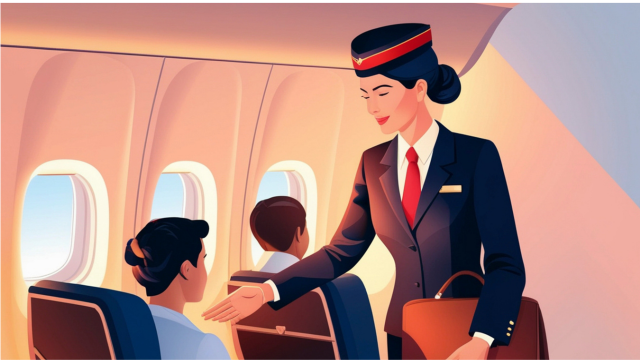
Flight attendant training UK airlines require is much more than learning how to serve passengers or deliver an onboard announcement. Cabin crew are safety professionals who must be prepared to evacuate an aircraft, respond to fire or smoke, manage medical emergencies, handle security incidents and support passengers during abnormal situations.
For people trying to enter the profession, one of the biggest sources of confusion is the difference between an optional pre-employment course and the regulated training required to operate as cabin crew.
You generally do not need to buy a private cabin-crew course before applying to a UK airline. Many airlines recruit candidates from customer service, hospitality, retail and other backgrounds and provide the required airline training after successful selection.
However, someone operating as cabin crew on UK-registered commercial aircraft must meet Civil Aviation Authority requirements, including the appropriate initial safety training, Cabin Crew Attestation, operator-specific training and medical fitness requirements.
This guide explains the training pathway, entry criteria, assessments, costs and career opportunities so you can understand which flight attendant qualifications actually matter.
What Is Flight Attendant Training?
Flight attendant training is the combination of theoretical instruction, practical exercises, examinations and airline-specific preparation that enables cabin crew to perform their duties safely.
In the UK regulatory framework, the initial safety qualification leads to a Cabin Crew Attestation, commonly shortened to CCA.
The CCA confirms that the holder has successfully completed approved basic cabin-crew safety training.
However, initial training is only one part of the process.
Before operating for a particular airline, new cabin crew also need training that relates to:
- the operator’s procedures;
- aircraft types and variants;
- safety and emergency equipment;
- cabin layout;
- doors and exits;
- security;
- normal operations; and
- emergency procedures.
Training then continues throughout the employee’s career through recurrent and, where necessary, refresher training.
Becoming cabin crew is therefore not a case of completing one course and being permanently qualified for every aircraft.
Why Flight Attendant Training Is Important
Cabin crew are often associated with customer service because that is what passengers see most frequently.
Safety, however, is the foundation of the job.
During an ordinary flight, cabin crew may serve food, answer questions and help passengers.
During an emergency, those same employees may need to:
identify a fire, operate emergency equipment, give first aid, prepare the cabin for evacuation, open an emergency exit or direct large numbers of passengers under extreme pressure.
Training makes those responses systematic.
Crew cannot wait until an emergency occurs to learn how an aircraft door works or where firefighting equipment is stored.
Practical drills are therefore a central element of regulated cabin crew training.
Training also promotes consistency. Crew members may work with different colleagues on different flights, so shared procedures and terminology allow the team to coordinate rapidly when necessary.
Flight Attendant Requirements in the UK
There is no single list of recruitment requirements followed identically by every UK airline.
Airlines establish their own employment criteria within aviation regulations.
One requirement is clear: a UK Cabin Crew Attestation applicant must be at least 18 years old.
Airlines may additionally specify requirements relating to:
- right to work;
- passport validity and travel rights;
- English-language ability;
- customer-facing experience;
- swimming ability;
- height or functional reach;
- ability to fit safely into a crew seat and restraint;
- tattoos or appearance standards;
- proximity to the operating base;
- security vetting; and
- medical suitability.
For example, easyJet currently requires applicants to be at least 18, have appropriate passport and travel rights, meet its height parameters, be able to swim 25 metres unaided and pass the required cabin-crew medical assessment.
Those are easyJet’s current requirements, not universal UK rules.
Another airline may use different reach, swimming, experience or appearance criteria.
Always check the current vacancy before applying.
How to Become a Flight Attendant
A typical pathway looks like this:
1. Check airline requirements
Choose airlines and bases you could realistically work from.
2. Apply directly
Submit the application, CV and any required eligibility information.
3. Complete recruitment assessments
These may include situational judgement, English, reasoning or behavioural tests.
4. Attend an interview or assessment event
Successful applicants may complete interviews, group exercises or practical activities.
5. Pass pre-employment checks
These can include identity, employment-history, criminal-record, security and right-to-work checks.
6. Meet medical requirements
Operating cabin crew need an appropriate cabin crew medical report.
7. Complete approved training
You must successfully complete the relevant initial safety and operator training before beginning operational duties.
8. Complete supervised or familiarisation requirements
The airline will manage the final process before independent operating duties.
This makes direct airline application one of the most practical routes into the career.
Airline Cabin Crew Training Explained
CAA-approved initial cabin-crew safety training provides the generic safety foundation required for the CCA.
After that, the airline must prepare crew for its own operation.
This distinction is important.
A CCA demonstrates generic initial safety competence.
It does not mean the holder automatically knows how to operate every aircraft used by British Airways, easyJet, Virgin Atlantic or another carrier.
Operator training can cover the precise:
- aircraft configuration;
- doors and emergency exits;
- safety equipment;
- evacuation systems;
- cabin communication equipment;
- normal procedures;
- emergency procedures; and
- company operating policies
relevant to that airline.
The CAA states that CCA holders can exercise their privileges only after completing appropriate aircraft-type and operator conversion training and checking.
This is why an existing cabin crew member changing airlines may still need substantial training.
Cabin Safety and Emergency Training

Safety and emergency procedures form the core of professional cabin-crew preparation.
Training can include:
- evacuations;
- decompression;
- turbulence;
- emergency landings;
- ditching;
- smoke and fire;
- passenger crowd control;
- incapacitated crew;
- emergency communication; and
- use of exits.
Practical simulation is essential.
Cabin crew may need to demonstrate that they can open doors and exits correctly, locate emergency equipment and carry out procedures under simulated emergency conditions.
Fire training is particularly important.
CAA recurrent-training rules require practical fire-fighting training at prescribed intervals, including the use of relevant firefighting equipment and protective breathing equipment.
The aim is to develop responses that remain reliable under pressure rather than expecting crew to recall information from a textbook during a real emergency.
First Aid and Medical Emergency Training
Aircraft can be hours away from immediate hospital treatment.
Cabin crew therefore receive first-aid and aeromedical training.
The content can cover situations such as:
- fainting;
- breathing difficulties;
- bleeding;
- allergic reactions;
- burns;
- seizures;
- cardiac emergencies;
- choking; and
- passenger illness.
Airlines can train crew to use onboard medical or emergency equipment appropriate to the operation.
Virgin Atlantic, for example, currently describes its cabin crew as being prepared to provide first aid, perform CPR and work with AED and other medical equipment.
Cabin crew are not automatically doctors, nurses or paramedics.
Their role is to respond within their training and follow the airline’s procedures, including seeking professional medical assistance where available.
Annual recurrent training also includes aeromedical aspects and first aid.
Aircraft Safety Equipment Training
Cabin crew need detailed familiarity with the safety equipment carried on their aircraft.
Depending on aircraft type, equipment can include:
- fire extinguishers;
- protective breathing equipment;
- portable oxygen;
- life jackets;
- emergency torches;
- megaphones;
- first-aid equipment;
- escape slides;
- life rafts; and
- emergency restraint equipment.
Knowing that an aircraft carries a fire extinguisher is not enough.
The crew member needs to understand where it is located, how it is operated and when it should be used.
Aircraft-specific training matters because equipment position and configuration can differ between fleets.
CAA recurrent-training requirements therefore require crew to revisit safety equipment and relevant procedures regularly.
Competence has to be maintained, not merely demonstrated on the employee’s first training course.
Passenger Service and Customer Care Training
Safety comes first, but customer service remains a major part of everyday cabin work.
Airlines train crew in their particular service standards.
Training may include:
welcoming passengers, managing boarding, helping nervous travellers, responding to complaints, supporting passengers with additional needs and handling service problems professionally.
Customer service becomes particularly challenging during disruption.
A passenger may be angry about a delay, anxious about flying or frustrated because baggage or seating arrangements have gone wrong.
Cabin crew need to remain calm while also maintaining operational boundaries.
Good customer care does not mean agreeing to every request.
Safety instructions, aviation rules and airline procedures still apply.
Airlines therefore look for candidates who can combine warmth with confidence and authority.
Security and Aviation Regulations Training
Cabin crew also receive aviation-security training relevant to their duties.
Potential subjects include:
- security awareness;
- suspicious behaviour;
- prohibited items;
- aircraft security checks;
- disruptive passengers;
- unlawful interference; and
- reporting procedures.
Crew also need dangerous-goods awareness appropriate to their responsibilities.
Passengers can unknowingly carry items that present aviation risks.
Training helps employees recognise situations requiring action and follow the correct procedure rather than improvising.
The regulatory environment is one reason private general aviation courses need to be described carefully.
A course can teach useful aviation theory without being the CAA-approved training required to obtain a CCA or the airline-specific programme required before operational flying.
Food, Beverage and In-Flight Service Training
Cabin service varies substantially by airline.https://www.gov.uk/government/collections/association-of-flight-attendants-council-07-information-held-by-the-certification-officer
Short-haul low-cost carriers may concentrate on retail sales and a limited food-and-beverage offering.
Long-haul airlines can deliver several cabin services with different procedures according to travel class.
Training can include:
- trolley operation;
- food hygiene;
- beverage service;
- alcohol service;
- point-of-sale equipment;
- stock control;
- allergens;
- customer interaction; and
- service sequence.
Crew also need to understand how service interacts with safety.
A trolley may need to be secured quickly when turbulence develops.
Cabin preparation takes priority before landing.
Passengers must not be served in a way that conflicts with safety requirements.
Good in-flight service therefore depends on situational awareness as much as hospitality skill.
Flight Attendant Communication Skills
Communication is one of the most important capabilities in cabin-crew work.
Crew communicate with passengers, pilots and other cabin crew in environments that can be noisy, busy and occasionally stressful.
They need to give safety instructions clearly and confidently.
They also need to listen.
A passenger may describe symptoms, report something unusual or raise a concern that requires escalation.
Crew resource management further emphasises communication within the operating team.
Good crew members share important information rather than assuming another colleague already knows.
Useful communication qualities include:
- clear speech;
- active listening;
- calmness;
- assertiveness;
- empathy;
- cultural awareness; and
- concise reporting.
Fluent spoken and written English is therefore a common airline requirement.
Additional languages can be useful for some routes and employers but are not universally mandatory.
Cabin Crew Assessment and Selection Process
Airline selection is designed to test more than appearance.
Current easyJet recruitment can involve:
an online application, online ability assessment, application review and a virtual or in-person interview involving group and competency-based exercises.
British Airways similarly uses application, online assessment and assessment-centre stages.
Virgin Atlantic uses its own recruitment journey, which can include online assessments and selection activities.
Recruiters may assess:
- communication;
- teamwork;
- customer focus;
- judgement;
- resilience;
- safety mindset;
- professionalism; and
- ability to follow instructions.
Group assessments should not be approached as a competition to speak the most.
Airlines need people who can work as a crew.
Listening, including other participants and helping the group reach a sensible outcome can demonstrate stronger teamwork than dominating every discussion.
Flight Attendant Training Courses in the UK
Prospective crew can encounter several different types of courses.
Understanding the difference matters.
CAA-approved initial cabin crew safety training
This is cabin crew training through an organisation approved to provide the initial course and issue the Cabin Crew Attestation.
It has regulatory significance.
Airline new-entrant training
Airlines provide or arrange the cabin crew training required for newly recruited cabin crew, including operator and aircraft-specific content.
College courses
Travel, tourism and cabin-crew programmes can introduce the occupation and develop related skills.
Cabin Crew Level 3 Advanced Apprenticeship
The National Careers Service identifies this as another potential route, typically involving employment and structured learning.
Private preparation courses
These can cover aviation awareness, interviews, customer service or cabin-crew theory.
They may help applicants prepare but are not automatically CAA-approved qualifications.
Before paying for a course, ask exactly what certificate it leads to.
How Long Does Flight Attendant Training Take?
There is no single universal training duration.
Airline programmes differ according to operation and training design.
Current examples provide useful benchmarks.
easyJet currently states that its new cabin-crew training takes four weeks.
Virgin Atlantic currently describes its programme as 4½ weeks.
Other airlines may use different durations.
A CAA-approved independent training organisation can also structure its course differently, provided regulatory requirements are satisfied.
The number of weeks should not be used by itself to judge quality.
Training includes intensive theory, practical drills, examinations and checks.
A short private online aviation course may take only an hour or several hours, but this is not equivalent to operational cabin-crew training.
The purpose of the course matters more than duration alone.
Flight Attendant Training Costs
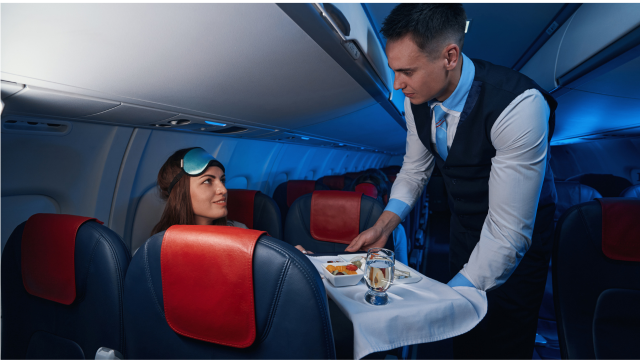
There is no universal UK price for becoming cabin crew.
A major distinction is whether you apply directly to an airline or independently purchase cabin crew training
Many airlines provide the required training to candidates they have already recruited.
Ryanair currently advertises free internationally recognised training and cabin crew training allowances, although payment arrangements can depend on base.
Other carriers use their own employment and training arrangements.
Private preparation courses can range widely in price.
CAA-approved independent initial cabin crew training may also involve fees set by the provider.
Medical assessments can create a separate cost. The CAA itself does not charge for the cabin-crew medical report, but the approved doctor or occupational health practitioner may charge for conducting the assessment.
Before paying for cabin crew training, check:
Does the airline require this course?
Does it lead to a CAA-recognised CCA?
Is it merely interview preparation?
Could the airline provide the required training after recruitment?
This can prevent unnecessary spending.
Airline-Specific Training After Recruitment
This stage is essential even for people who already understand aviation.
The airline needs to ensure that employees can operate according to its approved procedures and on its aircraft.
cabin crew training may cover:
aircraft doors, cabin layouts, emergency equipment, evacuation commands, security procedures, standard operating procedures and service standards.
Crew can also need familiarisation before operating.
Once qualified, cabin crew training continues.
CAA requirements specify annual recurrent training and checking.
This includes subjects such as:
- emergency procedures;
- evacuation;
- crew resource management;
- first aid;
- security;
- safety equipment; and
- aircraft-specific procedures.
Certain practical elements are required at defined longer intervals as well.
Cabin-crew qualification is therefore maintained through continuouscabin crew training rather than treated as a one-time achievement.
Flight Attendant Medical and Fitness Requirements
Cabin crew work is safety-critical, so medical fitness is regulated.
All new operating crew need an initial aeromedical examination before first being assigned to aircraft duties.
The assessment must be carried out by a CAA-approved Aeromedical Examiner or approved Occupational Health Medical Practitioner.
The purpose is to establish whether the individual can safely perform the required duties.
CAA guidance specifically considers whether crew can:
- participate in firefighting;
- use protective breathing equipment;
- descend evacuation slides;
- provide first aid;
- operate aircraft doors and emergency equipment; and
- function effectively in demanding normal and emergency situations.
A medical report is normally valid for no more than 60 months, although shorter review periods can be imposed.
Airlines can also have separate occupational-health requirements.
Applicants should avoid self-disqualifying because of a medical condition without checking the actual standards. Some conditions can be compatible with cabin-crew work following appropriate medical assessment or with specified limitations.
Career Progression After Flight Attendant Training
Cabin crew can develop in several directions.
One common route is progression into senior cabin responsibilities.
Depending on the airline, titles can include:
- senior cabin crew;
- cabin supervisor;
- cabin manager; or
- purser.
easyJet, for example, currently states that crew can apply for Cabin Manager after 12 months, subject to its requirements.
Experienced crew may also move into:
- cabin-crew tcabin crew training;
- recruitment;
- safety;
- standards;
- service development;
- base management;
- crew planning; or
- broader airline operations.
Some employees later transfer to ground-based aviation jobs.
The skills developed in cabin crew — communication, safety awareness, customer care, teamwork and working under pressure — can support several aviation careers.
Progression is not automatic, however.
Senior and specialist roles normally require further experience, strong performance and additional cabin crew training.
Key Takeaways
Flight attendant training UK cabin crew complete is primarily safety-focused and regulated.
To work as cabin crew on UK-registered commercial aircraft, you need a valid Cabin Crew Attestation and must meet the relevant operational and medical requirements.
You must be at least 18 to obtain a UK CCA.
Private cabin-crew preparation courses are not normally essential before applying to an airline.
Many major airlines recruit candidates without previous flying experience and provide the required cabin crew training after selection.
The CCA provides generic initial safety competence, while airline-specific aircraft and operator conversion training is also required before operational duties.
Training includes safety and emergency procedures, first aid, security, dangerous goods, communication and passenger handling.
Operating crew then complete recurrent cabin crew training and checking every year.
A valid cabin-crew medical report is also required, with periodic assessment generally no more than 60 months apart.
Frequently Asked Questions
What training is required to become a flight attendant in the UK?
For commercial cabin-crew duties on UK-registered aircraft, crew need CAA-compliant initial safety cabin crew training leading to a Cabin Crew Attestation.
They must then complete the relevant aircraft-type and operator conversion cabin crew training and checking before performing operational duties.
Annual recurrent training is also required after qualification.
What qualifications do flight attendants need?
There is no universal requirement for a university degree or private cabin-crew diploma.
The regulatory flight attendant qualifications include the appropriate Cabin Crew Attestation, medical fitness and operator cabin crew training.
Airlines set additional recruitment requirements such as English ability, passport and work rights, customer-service experience, swimming ability or functional reach.
These vary between employers.
How long does flight attendant training take?
Training length varies by airline.
Current easyJet new-entrant cabin crew training lasts four weeks, while Virgin Atlantic currently describes a 4½-week programme.
Other carriers and approved training organisations may operate different schedules.
A short online preparation course should not be compared directly with the practical cabin crew training required before operational flying.
How much does flight attendant training cost?
There is no single price.
Many airlines provide the required training after recruiting successful candidates.
Some airlines also provide training allowances or paid cabin crew training, while arrangements vary between employers and bases.
Independent preparation or CAA-approved training providers can charge their own fees.
Applicants should establish whether a course is genuinely required before paying for it.
Do you need a course before applying to an airline?
Usually not.
The National Careers Service states that private cabin-crew preparation courses may help but are not essential.
Current easyJet and Virgin Atlantic recruitment also confirms that previous cabin-crew experience is not required.
Airlines typically provide substantial cabin crew training after successful recruitment.
What is included in cabin crew training?
Training can include emergency evacuation, fire and smoke response, first aid, aviation security, dangerous goods, aircraft equipment, passenger handling, communication, crew resource management and customer service.
Airline-specific training also covers the aircraft and procedures used by that operator.
Practical assessment is an important part of safety training.
What medical requirements apply to flight attendants?
Operating UK cabin crew must hold a valid cabin crew medical report.
New entrants require an initial examination by a CAA-approved Aeromedical Examiner or approved Occupational Health Medical Practitioner.
The assessment considers the ability to carry out safety duties.
Periodic assessments are generally required at intervals no longer than 60 months, although some people may require more frequent review.
What are the career opportunities after flight attendant training?
Cabin crew can progress into senior crew, cabin management, training, recruitment, safety, service standards and other airline functions.
Some people later move into ground operations or wider aviation management.
Progression depends on performance, experience, airline opportunities and any additional qualifications or training required for the next role.

Conclusion
Flight attendant training UK airlines provide is fundamentally preparation for a safety-critical occupation.
Customer service is highly visible, but the professional foundation of cabin-crew work is the ability to respond correctly when something unusual or dangerous happens. That is why regulated cabin crew training includes emergencies, fire, evacuation, first aid, security and aircraft safety equipment alongside passenger care.
Applicants should also understand the difference between optional preparation and mandatory qualification.
A private aviation course can help someone understand airline terminology, customer service and the recruitment environment. It does not automatically provide the flight attendant qualifications required to operate as cabin crew.
Tyne Academy’s aviation learning and cabin-crew career resources can therefore be useful as background preparation for people exploring the profession. Its publicly listed Aircraft cabin crew training Operator course, for example, covers airline operations, customer service and aviation safety, but is currently listed as providing no formal qualification. It should not be confused with a CAA Cabin Crew Attestation or required airline conversion training.
For many applicants, the most direct route is to build strong customer-service and communication skills, check the requirements of specific airlines and apply directly. Successful recruits can then complete the required airline training, medical assessment and operational preparation.
Cabin crew also offers opportunities beyond the first flying role. Experience can lead towards cabin management, recruitment, training, safety and other aviation careers.
The key is to choose preparation that supports the real recruitment process while recognising that professional cabin-crew competence ultimately comes from regulated cabin crew training practical assessment, airline-specific instruction and continuing recurrent training.