
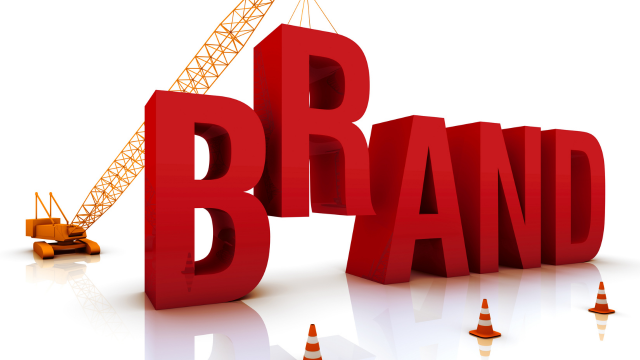
A recognisable business is rarely built from a logo alone. Its name, colours, language, website, customer experience and marketing all contribute to the impression people form whenever they encounter it. Learning how to create a brand identity for a business therefore means deciding what the business stands for and then expressing that idea consistently.
A strong identity can make a company easier to recognise, help its marketing feel connected and give employees clearer guidance on how the business should present itself. It does not guarantee sales or customer loyalty, but it creates a more coherent foundation for building both.
This guide explains the main elements of brand identity, how to develop them step by step and how to keep the resulting business image consistent as the company grows.
What Is Brand Identity and Why Is It Important?
Brand identity is the collection of visual, verbal and behavioural elements a business uses to present itself.
It includes obvious features such as the company name, logo, colours and typography, but it goes further. The style of photography on a website, tone of customer emails, packaging, social media posts, advertising language and even the way employees describe the company can all influence brand identity.
It helps to distinguish three related ideas.
Brand identity is what the business deliberately creates and communicates.
Brand image is the impression customers and other people actually form.
Branding is the ongoing process used to shape and manage those perceptions.
A business can control its identity, but it cannot completely control how people interpret it. Good branding therefore involves more than attractive design. The promises made through the identity need to match the experience customers actually receive.
Why Brand Identity Matters for Businesses
Customers encounter businesses in fragments. Someone might first see a social media advert, later visit the website, receive an email and eventually speak to a member of staff.
If every interaction looks and sounds unrelated, the business becomes harder to recognise. Consistency gives those individual encounters a common thread.
A coherent identity can support brand awareness because repeated visual and verbal cues make recognition easier. It can also make marketing faster to produce because teams are not repeatedly deciding which colours, fonts, imagery or tone to use.
For a small business, this does not mean copying the polished identity of a multinational company. A relatively simple system can work well if it accurately reflects the business and can be applied consistently.
Most importantly, identity should support the wider branding strategy. Design choices made without understanding the market, audience or business proposition may look impressive but communicate the wrong message.
Essential Elements of a Strong Brand Identity
A practical brand identity normally combines several elements rather than relying on one distinctive feature.
| Element | What it should communicate |
| Brand purpose | Why the business exists beyond making sales |
| Values | Principles that guide decisions and behaviour |
| Audience | Who the brand is designed to serve |
| Name | A memorable and appropriate business identifier |
| Tagline | A concise supporting message where useful |
| Logo | A recognisable visual mark |
| Colours | A consistent visual palette |
| Typography | A defined approach to written presentation |
| Imagery | A consistent photographic or illustrative style |
| Brand voice | How the business sounds in writing and speech |
| Guidelines | Rules explaining how all elements should be used |
None of these elements works completely independently. A premium professional-services company, for example, might choose very different typography, imagery and language from a playful children’s brand because each is trying to create a different expectation.
The strongest identities feel connected because each choice supports the same underlying positioning.
How to Create a Brand Identity for a Business
If you are working out how to create a brand identity for a business, avoid starting with the logo.
Begin with strategy.
A useful sequence is to define why the business exists, understand its audience, clarify its position against competitors and only then translate those decisions into names, messages and visual elements.
The process can be approached in roughly this order:
- Define your purpose and values.
- Research your audience and competitors.
- Clarify your positioning and core promise.
- Select and check your business image name.
- Develop a tagline if one adds value.
- Choose colours and typography.
- Create the logo and supporting visual system.
- Define your brand voice.
- Produce practical brand guidelines.
- Apply the identity consistently and review how it performs.
This order reduces the risk of creating attractive design work that has little connection with what the business imageactually needs to communicate.
How to Define Your Brand Purpose and Values
Purpose answers a simple question: why should this business exist for its customers?
The answer does not have to be grand. A local accounting practice might exist to make financial administration clearer for small companies. A software business image might aim to remove repetitive administrative work. A bakery might focus on producing dependable fresh food for its local community.
A useful purpose is specific enough to guide decisions.
Values describe how the business image intends to behave while pursuing that purpose. Words such as “quality”, “integrity” and “innovation” appear frequently in corporate value statements, but they mean little unless translated into actual behaviour.
Instead of saying only “customer focused”, define what that requires. It might mean answering support queries within a stated service period, explaining fees clearly or avoiding unnecessary jargon.
Brand values become useful when they influence decisions rather than existing only on an About page.
Purpose and values should also be realistic. A company that describes sustainability as central to its identity, for example, should be able to support relevant environmental claims rather than treating the concept purely as a marketing theme.
How to Identify Your Target Audience

Brand identity should be built around real customers rather than an imaginary “general public”.
Start by identifying the people most likely to need the product or service. Depending on the business, useful factors may include age range, location, occupation, budget, buying motivation, decision-making responsibility, problems they need solved and the channels they use to research purchases.
For business-to-business image ompanies, the buyer is often not one person. A product might need to appeal to a user, department manager, finance team and senior decision-maker.
Customer interviews, sales conversations, website analytics, search data, reviews and support enquiries can all reveal useful patterns.
Competitor analysis matters too. Look at how competing brands position themselves, what promises they repeat, the visual conventions used within the sector and where customers appear dissatisfied.
The aim is not simply to look different. It is to find a meaningful position that customers can understand.
A solicitor adopting fluorescent colours merely because rival firms use restrained palettes may look different without becoming more credible. Distinctiveness works best when it remains relevant to customer expectations.
How to Create a Brand Name and Tagline
A good brand name needs to work both creatively and practically.
It should ideally be memorable, pronounceable, appropriate for the intended audience and flexible enough to remain useful if the company expands. Extremely descriptive names can explain the business quickly, but they may be harder to distinguish or protect.
Before becoming attached to a name, check whether it is already in use.
For UK businesses, this should include checking the Companies House register where relevant, searching the UK trade mark database, reviewing domain availability and looking for business image already operating under similar names.
Registering a limited company name does not automatically give the business image trade mark protection. Company-name registration and trade mark registration are separate systems.
UK company names are also subject to rules concerning identical or overly similar names, offensive terminology and certain sensitive words or expressions. Businesses planning to trade internationally may need wider checks because UK protection does not automatically create rights abroad.
Creating a tagline
A tagline is optional. Do not create one merely because brands are expected to have one.
Where it is useful, a tagline should reinforce the company’s positioning or make its purpose easier to understand. Keep it short enough to remember and avoid generic claims such as “the best in the business image unless an objective comparative claim can genuinely be substantiated.
A clear line explaining what the company helps customers achieve is often more effective than a clever phrase that needs explanation.
How to Choose Brand Colors and Fonts
Colour influences recognition and mood, but business image should be cautious about simplistic claims that a particular colour automatically makes people trust, buy from or remember a brand.
Context matters.
Instead, build a palette that works practically across websites, printed documents, social media, packaging and presentations.
A basic system may include one main colour, a secondary colour, several neutral tones and one accent colour. Record precise HEX, RGB and CMYK values where relevant so different designers and suppliers do not repeatedly approximate them.
Accessibility should be considered from the beginning. Under WCAG 2.2 Level AA guidance, ordinary text generally requires a contrast ratio of at least 4.5:1 against its background, while large text generally requires at least 3:1. Colour should also not be the only way important information is communicated.
Choosing fonts
Typography also contributes strongly to identity.
Select fonts that are readable across common screen sizes and suitable for the intended personality of the brand. A distinctive display typeface may work for headlines while a simpler font handles body copy.
Before adopting a commercial typeface, check the licensing terms. The right to use a font personally does not necessarily mean it can be freely embedded in websites, apps or commercial materials.
Limit the number of typefaces. A strong hierarchy created through size, weight and spacing is usually more useful than using many different fonts.
How to Design a Professional Brand Logo
Effective logo design begins with function, not decoration.
A logo may need to appear on a desktop website, tiny social media avatar, mobile screen, printed invoice, presentation, uniform, sign or product label. A design that looks impressive on a large monitor can become unreadable when reduced to 30 pixels.
A useful logo system commonly includes a main logo, simplified version, symbol or icon and versions suitable for light and dark backgrounds.
Check whether the logo still works in monochrome. Test it at small sizes. Consider whether intricate details disappear and whether the brand name remains legible.
Originality matters as well. Before finalising important names or visual marks, conduct appropriate searches for earlier rights. UK trade marks can protect elements such as words and logos where registration requirements are met.
As of September 2026, the standard online UK trade mark application fee starts at £205 for one class, with additional classes costing extra. Registration is a legal protection process rather than part of the graphic-design process itself, so business image unsure about potential conflicts should consider specialist intellectual-property advice.
Most importantly, remember that the logo is only one part of the identity. Excellent logo design cannot compensate for unclear positioning, inconsistent customer service or confusing marketing.
How to Develop a Consistent Brand Voice
Visual identity determines how the brand looks. Brand voice determines how it sounds.
Start by choosing a small number of characteristics. A business might aim to sound knowledgeable, straightforward and supportive. Another might be energetic, informal and playful.
Then translate those adjectives into writing rules.
If the voice is “straightforward”, perhaps sentences should be relatively short and technical language should be explained. If the voice is “professional but friendly”, formal business image language may be appropriate without sounding bureaucratic.
Define how the brand approaches common communication situations, including website copy, social media, complaints, sales emails, error messages and customer support.
The same underlying personality should remain recognisable even when tone changes. A customer complaint should naturally be handled more seriously than a celebratory Instagram post, but both can still sound like the same organisation.
Artificial intelligence can help draft or adapt content, but it should not be allowed to define the voice by accident. Human review remains important for accuracy, tone, originality and context.
How to Create Brand Guidelines
Brand guidelines turn individual design decisions into a repeatable system.
They do not need to be a 100-page corporate manual. A small business image may only need a concise document that employees, freelancers and agencies can actually use.
Useful guidelines can cover logo versions and minimum sizes, colour codes, approved fonts, typography hierarchy, photography or illustration style, iconography, brand voice, terminology, examples of correct use and common mistakes.
Digital guidance may also cover accessibility, social media templates, presentation formatting and rules for AI-generated imagery.
Include real examples rather than relying entirely on abstract instructions. Showing an approved social post or email header is often clearer than saying “use the brand consistently”.
Version control helps too. Record when guidelines were updated so old templates do not continue circulating indefinitely.
How to Maintain Brand Consistency Across Marketing Channels

Consistency does not mean making every channel identical.
A LinkedIn post, product package, email newsletter and exhibition stand have different requirements. What should remain consistent is the underlying identity.
Use shared templates and a central library for approved logos, fonts, colour codes, photographs and presentation assets. Make one person or team responsible for maintaining current versions.
When creating new marketing, ask whether the material still reflects the brand’s core positioning, voice and visual system.
Consistency should also extend beyond marketing departments. Sales presentations, invoices, recruitment materials, customer support and automated emails contribute to the overall business image.
This is particularly important when several employees or external agencies create material independently.
Measurement matters as well. Monitor direct traffic, branded search activity, engagement, customer feedback, conversion behaviour and repeat interaction where appropriate. These indicators do not prove that branding alone caused a result, but they can help show whether recognition and communication are improving.
Common Brand Identity Mistakes to Avoid
One common mistake is designing for the founder’s personal taste rather than the intended audience. The founder may love a style that communicates completely different qualities from those customers expect.
Another is following trends too closely. A fashionable identity can quickly look dated if every competitor adopts the same typography, colour palette or illustration style.
business images also run into trouble when they:
- treat the logo as the entire brand;
- imitate competitors too closely;
- choose a name before checking legal and digital availability;
- use too many colours or fonts;
- ignore mobile and small-format applications;
- overlook accessibility;
- change design styles every few months;
- write differently on every marketing channel;
- make unsupported claims through advertising or testimonials;
- create guidelines that nobody actually follows.
In UK advertising, testimonials and endorsements should also be handled carefully. Marketing communications should be able to demonstrate that testimonials used are genuine, and factual claims appearing within testimonials must not mislead consumers.
Trust is difficult to create through design if the marketing attached to that design undermines credibility.
Benefits and Challenges of Building a Strong Brand Identity
A well-managed identity can make a company easier to recognise and give marketing teams a clearer framework. It can also reduce repeated design decisions, make new materials faster to produce and create a more coherent customer experience.
A distinctive identity may support brand awareness over time because customers repeatedly encounter the same visual and verbal cues.
However, branding also creates challenges.
Building the initial system requires research, decisions and potentially professional design work. Maintaining it becomes harder when the company grows, introduces new products or allows many people to create marketing materials.
There is also a balance between consistency and rigidity. If guidelines are too loose, the identity becomes fragmented. If they are too restrictive, the business image may struggle to adapt to new platforms or audiences.
The best systems establish recognisable principles while leaving enough flexibility for different situations.
Branding also cannot compensate indefinitely for problems elsewhere. A strong identity might attract attention, but customers will ultimately judge the product, service, price and experience they receive.
Future Trends in Branding and Brand Identity
Brand identity is becoming more adaptable because businesses increasingly operate across dynamic digital environments rather than a small number of fixed print formats.
One development is the rise of modular identities. Instead of a single static layout, business image create systems that can change shape across mobile interfaces, video, social content and physical materials while retaining recognisable elements.
Accessibility is also becoming a more deliberate part of design decisions. Colour contrast, readable typography, clear hierarchy and alternatives to colour-coded information can make brand communication usable by a wider range of people.
Sustainability is influencing design practice as well. Businesses are considering the resources used in printed materials, packaging and digital assets rather than treating sustainability solely as a marketing message.
Generative AI will continue to affect branding workflows. It can accelerate idea generation, image production, research and content variations, but easy generation also creates a risk of generic output. business image still need human judgement to decide what genuinely represents the brand, whether assets are appropriate and whether claims are accurate.
A further trend is towards more flexible brand voices. Customers increasingly encounter companies through chat interfaces, automated support, short-form video and personalised communications. Guidelines therefore need to explain not only what a brand should say, but how its voice should adapt across these contexts.
The underlying principle remains unchanged: technology can alter how identity is produced, but it does not replace the need for a clear strategy.
Key Takeaways
Creating a strong identity begins with understanding the business, not choosing a colour palette.
Define the company’s purpose, values, target audience and competitive position before commissioning major visual work. Build the name, messaging, colours, typography, logo and voice around those decisions.
Check important business image names and marks before investing heavily in them. For UK businesses, remember that Companies House registration and trade mark protection are separate matters.
Create practical guidelines so employees and suppliers can apply the identity consistently, but allow enough flexibility for different channels.
Finally, judge branding by more than appearance. The identity should help people recognise the business image, understand what it offers and experience a consistent promise when they interact with it.
FAQ
What is brand identity?
Brand identity is the system of visual, verbal and behavioural elements a business image uses to present itself. It can include its name, logo, colours, typography, imagery, tone of voice, messaging and guidelines for how these elements are applied.
Why is brand identity important for a business?
Brand identity helps make a business image recognisable and gives its communications a consistent appearance and voice. Over time, consistent presentation can support brand awareness and help customers distinguish one company from its competitors. It does not guarantee commercial success, which also depends on factors such as product quality, demand, pricing and customer experience.
What are the main elements of brand identity?
Common elements include purpose, values, target audience, positioning, brand name, tagline, logo, colour palette, typography, imagery and brand voice. These elements are normally brought together within brand guidelines.
How do I create a brand identity for my business?
Start by defining your purpose, values, customers and position in the market. Then develop the business image name, messaging and visual system. After completing the main design work, document how the identity should be used and apply it consistently across websites, marketing, sales materials and customer communications.
How much does it cost to create a brand identity?
There is no standard price. A founder may create a basic identity using existing software and templates, while professional designers or branding agencies may provide research, strategy, naming, design and detailed guidelines as a larger project.
Costs also depend on whether services such as photography, packaging, web design, copywriting or intellectual-property advice are required. Trade mark registration is separate from design costs; as of September 2026, a standard online UK trade mark application begins at £205 for one class.
What makes a strong brand identity?
A strong identity is distinctive, relevant to the intended audience, practical to use and connected to a clear branding strategy. Its visual and verbal elements should support the same positioning rather than competing with one another.
It should also be flexible enough to work across different formats without becoming inconsistent.
How can I make my brand stand out?
Avoid trying to be different merely for attention. Research competitors and identify a meaningful difference in audience, service, expertise, personality, customer experience or positioning.
Express that difference consistently through messaging and design. Distinctiveness is strongest when customers can understand why the difference matters to them.
How do I maintain brand consistency?
Create accessible brand guidelines, maintain approved assets in one central location and use templates for frequently produced materials. Train employees and external suppliers on the basic rules and periodically review customer-facing communications.
Consistency should cover more than visuals. Your marketing claims, customer service and overall business image should reflect the same promise.

Conclusion
Understanding how to create a brand identity for a business means treating branding as a strategic system rather than a one-off design exercise.
Start with purpose, values, audience and positioning. From there, develop a suitable name, visual identity, logo design, typography, colour palette and voice. Protect important names and marks where appropriate, document the system through clear guidelines and apply it consistently across every meaningful customer touchpoint.
A strong identity can support recognition and brand awareness, but it works best when the experience behind it matches the promise being communicated. The goal is not simply to make a business look professional. It is to create a recognisable, relevant and credible identity that can grow with the organisation.
For businesses and learners developing their commercial or creative knowledge, Tyne Academy also provides online learning across business and creative subjects that can complement further independent study and practical experience.