


Receiving an invitation to an airline assessment day means you have already passed an important part of the recruitment process. The airline now wants to see how you communicate, work with other people, respond to realistic situations and present yourself in person or through a structured virtual assessment.
For cabin-crew applicants, the assessment is rarely about proving detailed aviation knowledge before training begins. Airlines such as British Airways, easyJet, Virgin Atlantic and Ryanair recruit heavily for behaviours such as teamwork, customer service, communication, judgement, adaptability and the ability to remain calm under pressure.
Preparation therefore involves more than memorising interview answers.
A strong candidate understands the airline, knows what the cabin-crew role actually involves, has examples from previous experience ready and can participate constructively without trying to dominate every exercise.
This guide explains what to expect from a cabin crew assessment, how current airline recruitment UK processes work and how to prepare for group activities, tests and interviews
What Is an Airline Assessment Day and Why Does It Matter?
An airline assessment day is a structured stage of recruitment during which an airline assessment day evaluates several candidates using one or more selection activities. In other words, it is a formal recruitment event designed to assess whether applicants have the skills, behaviours and personal qualities required for cabin crew work.
Depending on the airline assessment day and vacancy, this might include:
- group exercises;
- individual activities;
- interviews;
- presentations;
- role plays;
- document checks;
- ability tests; or
- situational exercises.
Some assessments take place physically at an airline assessment day or recruitment venue, whereas others are partly or entirely virtual. For example, easyJet currently states that most of its cabin-crew interviews take place virtually, although applicants may sometimes attend an in-person assessment day. British Airways uses assessment centres for its main cabin-crew recruitment, while some BA London City assessments can be conducted virtually.
Why Airlines Use Assessment Days
Cabin crew work in teams and interact with passengers constantly, so airlines need to assess more than qualifications or previous employment. A CV can show where someone has worked, but it cannot easily demonstrate how that person behaves when:
- several people have different opinions;
- a customer is unhappy;
- a decision must be made quickly;
- instructions need to be followed;
- someone else needs support; or
- pressure increases.
Assessment activities therefore give recruiters an opportunity to observe these behaviours in a realistic recruitment setting. They can see how candidates communicate, cooperate, respond to challenges and contribute to a team.
Safety Comes Before Service
Many people associate cabin crew primarily with serving food and welcoming passengers. Although customer service is important, safety is fundamental to the role.
Current Ryanair recruitment material explicitly identifies safety as its number-one priority. Similarly, easyJet says it looks for candidates who remain calm under pressure and make safe, well-informed decisions.
This should influence how you approach assessment scenarios. A polished customer-service response is not necessarily a strong answer if it ignores safety, company policy or established procedures. Demonstrating sound judgement and recognising when safety takes priority can be much more important.
You Are Usually Assessed Throughout the Event
Do not assume that evaluation starts only when the formal interview begins. Your behaviour throughout the assessment can contribute to recruiters’ overall impression.
For example, how you interact during group activities, listen to instructions, communicate with other candidates and respond to staff may all provide useful evidence about your suitability.
This does not mean you need to behave unnaturally from the moment you enter the building. Instead, it means maintaining a professional, respectful and cooperative attitude throughout the recruitment process.
Understanding the Airline Recruitment Process
Different airlines use different recruitment journeys, so there is no single standard pathway for every applicant. Understanding the broad process can nevertheless help you prepare for what happens before, during and after an assessment.
British Airways
Current British Airways cabin crew selection broadly follows:
Application → online assessment → assessment centre → offer → pre-employment checks → training
The online assessment uses questions designed to explore how candidates would respond in different situations.
Candidates who pass the initial screening can then book an assessment-centre appointment involving group and individual exercises and an interview.
After a conditional offer, British Airways undertakes pre-employment and security processes that can include criminal-record checks, five-year employment-history checking, medical arrangements, uniform fitting, height/reach functionality assessment and a security interview.
easyJet
easyJet currently uses:
Online application → online assessment → application review → interview/assessment
The online stage examines areas such as verbal reasoning, situational judgement and workplace behaviour.
Most interviews are virtual at present. A virtual assessment can include a group exercise and competency-based interview. Candidates invited to a physical assessment day can expect a presentation, group exercise and competency-based interview.
Virgin Atlantic
Virgin Atlantic’s current cabin-crew process begins with an application and CV.
Candidates who progress complete an online Situational Judgement Test based on onboard situations. Successful candidates may then attend an assessment day involving practical exercises designed to examine behaviours, mindset, skills and values.
Virgin Atlantic confirms right-to-work status at this stage. An offer is followed by pre-employment screening.
Ryanair
Ryanair’s current cabin-crew process generally includes:
Application → online English test → interview or recruitment day → training-course registration
The airline assessment day currently holds regular UK assessment and recruitment events.
Some Ryanair cabin-crew positions do not require previous aviation experience. Instead, the airline assessment day emphasises qualities such as enthusiasm, teamwork, customer orientation, flexibility and English communication.
Recruitment Processes Change
A major mistake during flight attendant hiring preparation is assuming that a YouTube video or online guide from several years ago describes today’s recruitment process exactly.
Airlines can change recruitment platforms, assessment methods and eligibility requirements. Even different bases within the same airline assessment day can use different arrangements.
For that reason, always treat your current recruitment invitation and the airline’s latest official guidance as the definitive source of information.
What to Expect During an Airline Assessment Day
An assessment can initially feel unpredictable, but most activities are designed to examine a relatively small number of job-relevant behaviours. Understanding the common activities can make the experience feel more manageable.
Registration and Document Checks
You may be asked to provide documents or confirm your eligibility before participating in the assessment.
British Airways currently checks right-to-work documentation during relevant assessments, and Virgin Atlantic also confirms right to work during the cabin-crew assessment stage.
Bring exactly what your invitation requests. Do not assume that a generic online checklist contains everything you need for your particular assessment.
Airline or Role Presentation
Some assessment events begin with information about the company and the role. easyJet currently includes a presentation at its in-person cabin-crew assessment days.
Listen carefully because the presentation is not simply promotional material. It may clarify important aspects of the role, including:
- working patterns;
- training;
- expectations;
- base arrangements;
- career opportunities; and
- the realities of cabin-crew work.
Use this information to decide whether the position genuinely suits you. An assessment is a two-way process: the airline assessment day is assessing you, but you are also deciding whether the employer and role are right for you.
Group Exercise
Group activities are common because teamwork is fundamental to cabin crew.
You may receive a scenario or discussion problem and a limited amount of time to reach an outcome. Recruiters are often more interested in how you work with other people than whether the final answer is perfect.
Strong participation does not necessarily mean speaking the most. Listening carefully, encouraging quieter candidates, contributing useful ideas, staying focused and helping the group reach a sensible conclusion can all demonstrate valuable interpersonal skills.
Interview
A competency or behavioural interview may ask you to describe previous situations involving:
- teamwork;
- difficult customers;
- conflict;
- pressure;
- communication;
- adapting to change; or
- solving a problem.
Virgin Atlantic’s general recruitment guidance specifically advises candidates to prepare examples from work situations and explain what happened, how they handled it and what resulted.
When preparing examples, focus not only on what happened but also on your actions and the outcome. This helps recruiters understand your individual contribution rather than simply hearing a general description of an event.
Scenario Exercises
You may also encounter hypothetical situations during an airline assessment day.
For example, you might be asked how you would respond when a customer is dissatisfied or how you would deal with competing priorities.
Do not attempt to invent detailed aviation procedures that you have not been trained in. Instead, demonstrate sensible judgement, calm communication, willingness to follow established procedures and recognition that safety comes first.
A strong response should show that you can remain composed, communicate appropriately and seek guidance when a situation requires it.
Role Plays
Some airline assessment day centres may use role play. Virgin Atlantic lists role play among the methods it can use across assessment centres.
A candidate might be given time to read a situation before interacting with an assessor playing a customer or colleague.
The objective is generally to observe your behaviour in context. Recruiters may be interested in how you communicate, listen, respond to concerns and maintain professionalism when faced with a challenging interaction.
Tests
Ability tests can include areas such as:
- situational judgement;
- verbal reasoning;
- English language;
- numerical reasoning; or
- role-related questions.
The exact test depends on the airline.
Ryanair currently uses an online English test before interview, while easyJet’s online assessment includes verbal reasoning, situational judgement and workplace behaviour.
Because recruitment methods can change, candidates should always check the latest instructions supplied by the airline assessment day rather than relying exclusively on older assessment-day advice.
How to Prepare Before Your Airline Assessment
Good preparation should make you more comfortable being yourself, not teach you to perform a false personality.
Research the airline
Know the company you are trying to join.
Research areas such as:
- destinations and network;
- short-haul or long-haul operation;
- customer proposition;
- values;
- fleet at a general level;
- base arrangements;
- cabin-crew expectations; and
- recent official company information.
You do not need to memorise aircraft registration numbers.
You should be able to explain convincingly why you chose this airline assessment day rather than saying:
“I just want to travel.”
Understand the role
Cabin crew work involves much more than destinations and staff travel.
Expect:
- early starts;
- late finishes;
- weekend and bank-holiday work;
- demanding training;
- safety responsibilities;
- customer problems;
- time on your feet; and
- irregular schedules.
Ryanair’s current recruitment material, for example, warns that early duties can require reporting around 5am and late patterns can result in returning home around midnight.
A strong candidate understands this before accepting the role.
Study the criteria in the vacancy
Look for repeated qualities.
easyJet currently emphasises:
- clear and kind communication;
- staying calm under pressure;
- safe decision-making; and
- customer-facing experience.
Ryanair emphasises:
- customer service;
- teamwork;
- flexibility;
- friendliness;
- English communication; and
- ability to work shifts.
Those qualities tell you what examples to prepare.
Prepare behavioural examples
Think of situations where you:
- helped a difficult customer;
- worked successfully in a team;
- resolved disagreement;
- adapted to a sudden change;
- dealt with pressure;
- followed an important rule;
- supported a colleague;
- made and corrected a mistake.
You do not need eight completely unrelated stories. One genuine example can sometimes demonstrate several competencies.
Use STAR
A useful structure for aviation interviews is STAR:
Situation – What was happening?
Task – What responsibility did you have?
Action – What did you personally do?
Result – What happened?
For example:
“During a busy restaurant shift, our booking system failed while several customers were waiting. I was responsible for front-of-house service. I worked with my colleagues to reconstruct bookings from confirmation emails, kept waiting customers updated and prioritised people who already had confirmed reservations. We restored the seating plan without losing any bookings, and the manager later adopted a simple backup process for future outages.”
That answer shows teamwork, communication, composure and problem-solving.
Practise speaking clearly
You do not need an artificial “cabin crew voice”.
Speak clearly, professionally and naturally.
Practising answers aloud can help you identify when they are too long or unclear.
Plan the journey
For an in-person assessment, check:
- venue;
- route;
- travel time;
- parking or public transport;
- likely disruption; and
- required arrival time.
British Airways currently states that travel costs for its cabin-crew assessment centre are not reimbursed.
Allow a sensible buffer.
Turning up excessively early may not help if the venue cannot receive you, so follow the specified arrival instructions.
Airline Assessment Day Tests and Activities Explained

Understanding the purpose of the exercises can make them less intimidating.
Situational judgement tests
An SJT presents a situation followed by possible responses.
Virgin Atlantic currently uses an online SJT before its cabin-crew assessment day.
The objective is to understand how you are likely to behave.
Think about:
- safety;
- customer care;
- teamwork;
- professionalism;
- fairness; and
- following procedures.
Do not try to identify a hidden “trick answer” in every question.
Verbal reasoning
easyJet currently includes verbal reasoning in its cabin-crew online assessment.
These exercises typically assess how accurately you can interpret written information.
Preparation can include practising reading short passages carefully and answering only from the evidence provided rather than making assumptions.
English-language testing
Clear English communication is essential in international aviation.
Ryanair currently uses an online English test as part of its cabin-crew recruitment process.
Candidates should be comfortable reading, writing, listening and speaking at the level required by the airline.
Group discussion
Virgin Atlantic lists group discussions among its assessment-centre techniques and explains that assessors observe how candidates relate to one another while working as a team.
A typical exercise may provide:
- a problem;
- several options;
- a time limit; and
- a requirement to reach a recommendation.
The objective is not to speak the most.
Competency interview
Competency questions explore past behaviour.
Examples might include:
“Tell us about a time you dealt with an unhappy customer.”
“Describe a situation where you had to work with someone whose approach differed from yours.”
“Give an example of when your plans changed unexpectedly.”
Use real evidence.
Biographical interview
Some airlines may discuss your CV and career history.
Virgin’s recruitment guidance describes biographical interviewing as discussing previous employment, achievements and career choices.
Review your own CV before attending.
You should be able to explain dates and transitions accurately.
How to Perform Well in Group Exercises and Interviews
Group exercises are among the parts candidates often worry about most.
Searches such as “group exercises airline” assessment frequently produce advice telling candidates either to become the leader or to speak constantly.
Neither is a reliable strategy.
Contribute early—but naturally
It can help to contribute reasonably early so assessors have evidence of your participation.
That does not mean interrupting someone in the first ten seconds.
You could say:
“Would it help if we quickly identify the main criteria before comparing the options?”
That contributes structure without taking control aggressively.
Listen
Listening is observable behaviour.
Look at the person speaking.
Respond to what they actually said.
For example:
“I agree with Sara’s point about safety. Could we also consider how that option affects the passengers?”
This demonstrates collaboration rather than waiting for your turn to deliver a rehearsed opinion.
Include quieter people
Cabin crew depend on team communication.
If someone has not spoken, you might say:
“James, we haven’t heard your view yet. What do you think about these two options?”
Do this naturally rather than obviously trying to collect assessment points.
Do not dominate
Talking constantly can actively damage performance.
If nobody else can contribute, you are not demonstrating teamwork.
Aim to move the group forward, not become its unofficial commander.
Watch the time
If the group has ten minutes, someone should keep track.
You might say:
“We have about three minutes left. Shall we agree our final recommendation?”
This can be useful as long as you do not interrupt productive discussion every minute to announce the clock.
Handle disagreement professionally
Disagreement is not failure.
You can say:
“I see why you prefer option B. My concern is this particular risk. Could we compare both against the criteria?”
That demonstrates respectful challenge.
Keep safety in perspective
For cabin-crew scenarios, remember that safety should not be sacrificed to create good customer service.
However, do not invent emergency procedures you have never been taught.
A sensible principle is:
Safety and procedure first, then deliver the best customer experience possible within those limits.
Use specific interview examples
In interviews, avoid:
“I am a team player because I love working with people.”
Give evidence.
Explain your action and result.
Be honest about mistakes
You may be asked about a failure or difficult situation.
Do not claim you never make mistakes.
Choose a genuine example that allows you to show:
- accountability;
- corrective action; and
- learning.
Common Airline Assessment Day Mistakes to Avoid
Strong applicants sometimes create problems for themselves through unnecessary performance tactics.
Trying to be the leader in every exercise
Cabin crew require teamwork, not permanent dominance.
Leadership can mean helping the group succeed rather than controlling it.
Speaking over people
Interrupting repeatedly can undermine communication and teamwork evidence.
Remaining completely silent
The opposite is equally problematic.
Assessors need observable evidence.
If you never contribute, they have little information on which to assess you.
Giving rehearsed answers that do not answer the question
A memorised customer-service story is not useful if the interviewer asks about adapting to change.
Listen first.
Researching the brand but not the job
Knowing the airline’s fleet or destinations does not prove you understand cabin-crew life.
Research shift patterns, customer responsibilities, safety expectations and training.
Treating cabin crew as a travel job
Statements such as:
“I want free flights and love holidays”
are unlikely to demonstrate understanding of the role.
Travel can be an attraction, but the employer is recruiting someone to perform demanding safety and service duties.
Faking airline assessment day knowledge
If you do not know something, do not invent an answer.
Recruiters already work for the company.
Ignoring instructions
Assessment activities deliberately include rules, timings and constraints.
Following instructions is itself relevant in a safety-sensitive industry.
Overthinking appearance
Professional presentation matters, but candidates sometimes become so focused on looking like existing cabin crew that they overlook the assessment itself.
You are not expected to arrive wearing a homemade version of the airline’s uniform.
Follow any dress guidance provided and choose professional, neat clothing appropriate for an interview environment.
Being overly competitive
Other candidates are not enemies.
Helping the group perform well can provide stronger teamwork evidence than trying to make someone else look weak.
Airline Assessment Day Preparation Tips for Success
The most effective assessment centre tips are simple and repeatable.
Prepare examples rather than scripts
Create a small bank of genuine experiences covering:
- customer service;
- teamwork;
- conflict;
- pressure;
- adaptability;
- rules and procedures; and
- problem-solving.
Remember the key events rather than memorising exact sentences.
Review your CV
Know what you submitted.
Be ready to explain your employment history and relevant experience.
Practise group communication
If possible, practise a timed discussion with other people.
Focus on:
- contributing;
- listening;
- asking questions;
- summarising;
- reaching agreement; and
- monitoring time.
Practise online assessments
If your process includes verbal reasoning or situational judgement, practise the format in advance.
The objective is familiarity, not memorising supposed airline assessment day answers from unofficial websites.
Get adequate rest
A tired candidate may find concentration harder.
Try to sleep reasonably well and prepare clothing, documents and travel arrangements before the morning of the assessment.
Eat and hydrate
An assessment may last several hours.
Follow venue instructions about refreshments, but avoid arriving hungry or dehydrated where possible.
Stay consistent
Do not present yourself as highly safety-conscious in one activity and then ignore instructions in another.
Recruiters are looking at overall behaviour.
Ask sensible questions
If candidates are given an opportunity to ask questions, consider topics such as:
- training;
- working patterns;
- base expectations;
- career development; or
- the next airline recruitment UK stage.
Avoid asking something that was clearly answered in the presentation five minutes earlier.
Final Checklist Before Attending Your Assessment Day
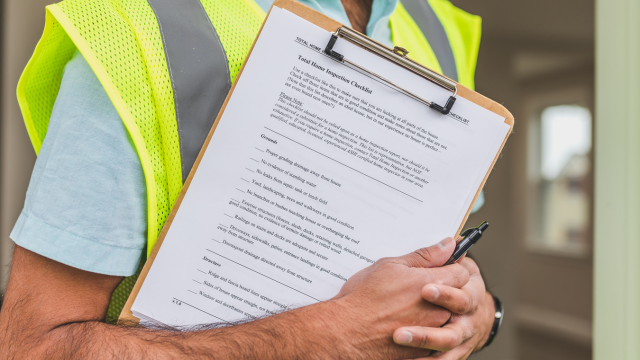
Use this final checklist when preparing:
- Re-read the invitation from beginning to end.
- Confirm the date, time and location or virtual login details.
- Check which documents you have been asked to bring.
- Confirm your travel route and allow for reasonable disruption.
- Research the airline assessment day and cabin-crew role.
- Review the airline’s current values or behavioural expectations.
- Re-read your CV and application.
- Prepare several genuine competency examples.
- Practise answering with a clear STAR structure.
- Prepare for teamwork rather than trying to dominate.
- Review any online-test format mentioned in the invitation.
- Choose professional, clean and comfortable interview clothing.
- Prepare any required identification or right-to-work documents.
- Charge your phone but keep it silent when instructed.
- If virtual, test your camera, microphone and internet connection.
- Eat appropriately and stay hydrated.
- Prepare one or two sensible questions about the role.
- Arrive or log in at the time instructed.
- Listen carefully to every assessment instruction.
- Remember that safety, teamwork and customer service all matter.
The invitation always takes priority over a general checklist.
Key Takeaways
An airline assessment day is designed to show how candidates behave, not simply how well they can memorise facts about aviation.
Current UK airline assessment day recruitment demonstrates considerable variation. British Airways uses group and individual assessment activities plus an interview. easyJet may assess cabin crew virtually or in person using a group exercise and competency interview. Virgin Atlantic combines online situational judgement with a later assessment day, while Ryanair uses online English assessment followed by interview or airline recruitment UK-day options.
Despite these differences, several qualities appear repeatedly across cabin crew selection:
- communication;
- customer service;
- teamwork;
- flexibility;
- calm judgement;
- professionalism; and
- safety awareness.
Preparation should therefore focus on understanding the actual job, researching the airline assessment day and developing genuine examples that demonstrate these behaviours.
During group activities, contribute without dominating. During interviews, answer the question with specific evidence. During scenarios, do not invent procedures you have never been trained to perform.
Most importantly, read your invitation carefully because assessment formats change between airlines, roles and recruitment campaigns.

FAQ
How long does an airline assessment day last?
There is no universal duration.
Virgin Atlantic states that its assessment centres generally last all or part of a day.
British Airways does not publish one fixed cabin-crew assessment duration and says candidates will receive the details when invited.
Other airlines and airline recruitment UK events can use different formats.
Keep the relevant period free and follow the timing specified in your invitation rather than assuming the event will finish after a particular number of hours.
What happens during an airline assessment day?
Activities depend on the airline.
They may include:
- company presentations;
- document checks;
- group exercises;
- competency interviews;
- individual exercises;
- role plays;
- ability tests; or
- situational activities.
British Airways currently uses group and individual exercises plus an interview. easyJet’s in-person cabin-crew process includes a presentation, group exercise and competency-based interview.
Virgin Atlantic uses practical exercises designed to assess skills, behaviours, mindset and values.
What should I wear to an airline assessment?
Follow any instructions from the airline assessment day first.
Where no detailed dress code is provided, professional interview clothing is generally the safest approach.
Choose something:
- clean;
- tidy;
- well fitting;
- professional; and
- comfortable enough for several assessment activities.
Good grooming matters, but you do not need to imitate the airline’s cabin-crew uniform.
How can I prepare for an airline group exercise?
Practise discussing a problem with several people under a time limit.
During the actual exercise:
- contribute relevant ideas;
- listen actively;
- avoid interrupting;
- acknowledge other people’s suggestions;
- invite quieter candidates where appropriate;
- keep an eye on time; and
- help the group reach an outcome.
Do not assume you need to become the official leader.
Strong teamwork is usually more important than speaking the most.
Are airline assessment days difficult?
They can feel challenging because several behaviours may be assessed in a relatively short period.
However, airlines design them around the requirements of the job rather than specialist knowledge candidates could not reasonably possess.
Virgin Atlantic explicitly states that its assessment exercises are intended to give candidates an opportunity to demonstrate their abilities rather than catch them out.
Preparation, familiarity with the format and genuine examples can make the experience more manageable.
What qualities do airlines look for in candidates?
Requirements vary, but current cabin-crew airline recruitment UK repeatedly emphasises qualities such as:
- customer focus;
- clear communication;
- teamwork;
- flexibility;
- confidence;
- professionalism;
- calmness under pressure;
- sound judgement; and
- commitment to safety.
Airlines also want candidates who understand the realities of shift work and passenger-facing employment.
Can I fail an airline assessment day?
Yes.
An assessment day is a selection stage, so attendance does not guarantee an offer.
Candidates can be unsuccessful if the evidence gathered during the assessment does not meet the airline’s required standard or if eligibility requirements are not satisfied.
This is normal airline recruitment UK rather than an academic examination where everyone achieving one published mark automatically passes.
How can I improve my chances of passing an airline assessment?
You cannot guarantee an offer, but you can improve your preparation.
Research the airline, understand the role, review the vacancy criteria, prepare genuine STAR examples and practise group communication.
Follow instructions carefully and demonstrate teamwork rather than trying to outperform other candidates aggressively.
During aviation interviews, give concise evidence from your own experience. During group activities, communicate respectfully and help the team progress.
Those habits are more useful than memorising supposed “correct answers” from unofficial airline careers forums.
Conclusion
Preparing for an airline assessment day means preparing to demonstrate how you work with people.
Successful airline recruitment UK candidates need more than enthusiasm for travel. Airlines are looking for people capable of combining safety awareness, customer service, teamwork, communication and adaptability within a demanding operational environment.
A cabin crew assessment may include group activities, tests, scenarios and competency interviews. The exact format differs between employers, so current airline assessment day instructions should always take priority over generic assessment centre tips.
For flight attendant hiring, the strongest preparation is usually straightforward: understand the role, research the airline, know your own CV and prepare authentic examples. If you encounter group exercises airline recruiters are using, participate constructively without overpowering other candidates. For aviation interviews, use specific evidence rather than broad statements about being friendly or hardworking.
Tyne Academy learners exploring airline assessment day careers can use assessment preparation to understand recruitment techniques and develop interview confidence. Training can help candidates practise, but no course or technique can guarantee success in cabin crew selection. The final decision depends on the airline’s criteria and the evidence demonstrated during its current recruitment process.