
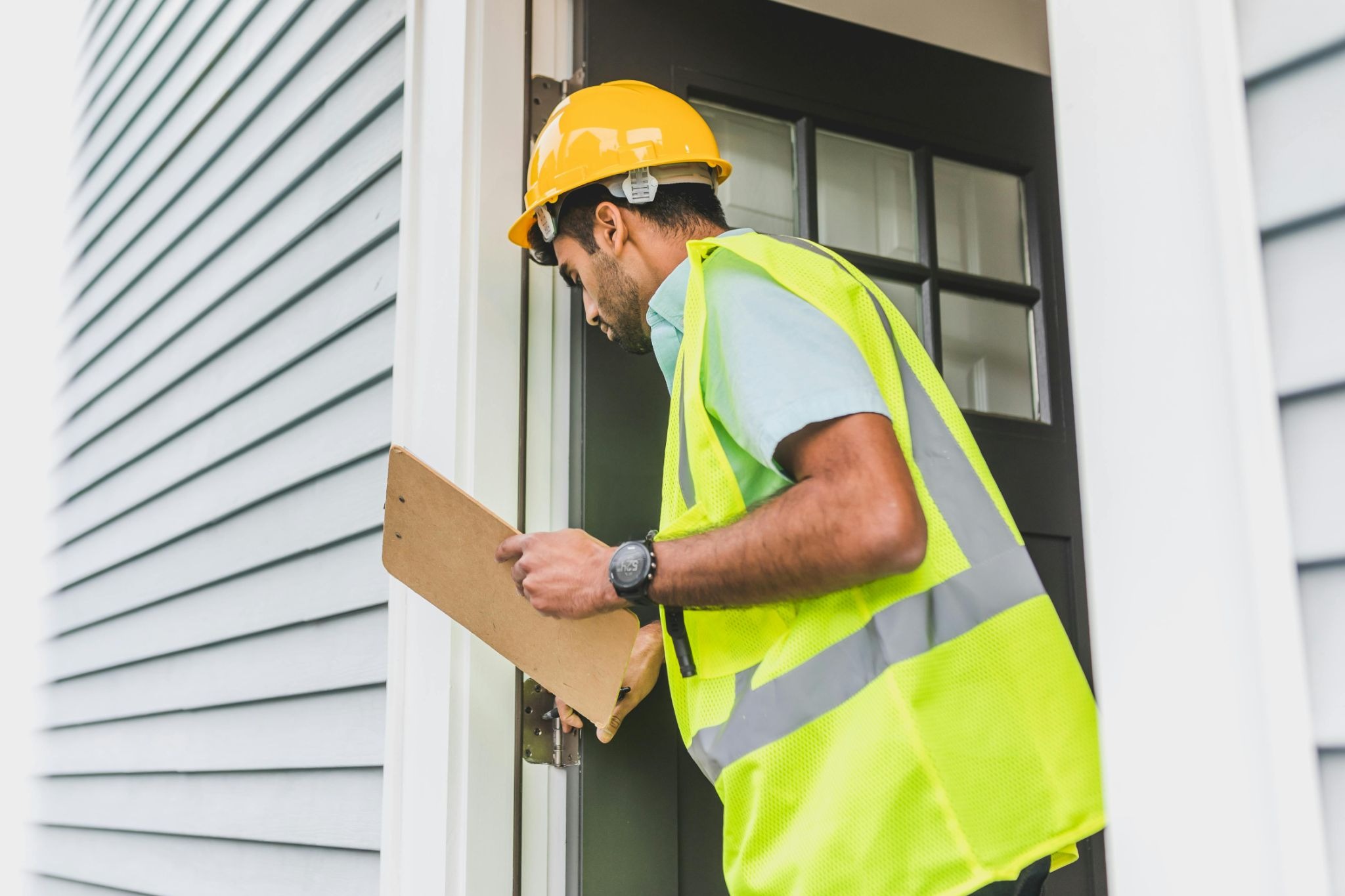
A property inspection checklist is one of the most important duties in rental property management. It helps property managers check the condition of a home, identify maintenance issues early, protect the landlord’s investment, and make sure the tenant is living in a safe and suitable property. A good property inspection checklist is not just about spotting damage. It is about recording the condition of the property clearly, fairly, and professionally.
For property managers in the UK, property inspections checklist are especially important because rental homes are not only business assets. They are people’s homes. That means inspections must be handled with care, respect, and proper notice. In England, tenants should be given at least 24 hours’ notice before a landlord or agent enters to inspect or carry out repairs, and the visit should be at a reasonable time of day unless there is an emergency.
This rental property inspection guide explains what every property manager should look for during a rental property inspection, how to prepare a useful property inspection report, and how to make inspections helpful rather than stressful for landlords and tenants.
Overview
This is a comprehensive rental property inspection guide for UK property managers, focusing on creating an effective property inspection checklist to assess rental homes safely, professionally and legally. It explains the importance of inspections =, preparation steps, detailed room-by-room checks, common issues like damp/mould/ pests, and how to produce clear property inspection reports while respecting tenants.
Key Areas Covered
✅Preparation and notice for inspections, including tools and reviewing tenant history
✅Exteriror checks (roofs, gutters, gardens, paths, fences)
✅Doors, windows, security (locks, frames, condensation).
✅Kitchen inspection (worktops, appliances, hygiene, leaks).
✅Bathroom checks (leaks, mould, ventilations).
✅Electical safety and visible risks.
✅Pest signs and control.
Why Property Inspections Checklists Matter
Property inspections checklists matter because they help property managers identify problems before they become expensive, unsafe, or legally difficult.
A small leak under a sink can cause water damage. Poor ventilation can lead to damp and mould. A loose stair rail can become a safety risk. A missing smoke alarm can create serious danger. A blocked drain, cracked tile, damaged sealant, or faulty appliance may seem minor at first, but if ignored, it can create bigger problems later.
Regular Property inspection checklists also help landlords understand how their property is being used. Most tenants look after their homes responsibly, but inspections can reveal issues such as unauthorised alterations, overcrowding, poor cleaning, pet damage, smoking indoors, or neglected maintenance. At the same time, inspections can also protect tenants by showing that they reported problems and allowed access.
A professional property inspection checklist should never feel like a search for blame. The best approach is balanced. The property manager is there to check conditions, note repairs, identify risks, and keep an accurate record.
Before the Inspection: Preparation For Your Property Inspection Checklist
A good property inspection checklist starts before anyone enters the property.
The property manager should first check the tenancy agreement, previous inspection report, inventory, maintenance history, and any recent repair requests. This gives useful context. If the last report mentioned a damp patch in the bedroom, the new property inspection checklist should check whether it has improved, worsened, or stayed the same. If the tenant recently reported a boiler issue, the inspection should confirm whether the repair was completed properly.
The tenant should receive clear notice of the visit. The notice should explain the date, time, purpose of the inspection, who will attend, and what areas will be checked. Even where the landlord or agent has a legitimate reason to inspect, the tenant’s home should still be respected.
A property manager should also bring the right tools. In many cases, a phone or tablet with an inspection app is enough. Photos, notes, timestamps, and room-by-room sections make the property inspection report easier to prepare. A torch, moisture meter, spare batteries for alarms, shoe covers, and a basic property maintenance checklist can also be useful, depending on the property.
Start With the Exterior on Your Property Inspection Checklist
The outside of the property should be checked first because exterior problems often lead to internal damage.
A property manager should look at the roofline, gutters, walls, windows, doors, external pipes, paths, fences, gates, gardens, balconies, and any outbuildings. You are not expected to carry out a structural survey, but you should notice visible issues that may need a contractor’s attention.
For example, blocked gutters can cause water to run down external walls and lead to damp inside. Cracked render may allow water penetration. Damaged roof tiles may cause leaks. Rotten window frames may affect insulation and security. Uneven paths may create trip risks. Broken fences may affect privacy and safety.
The garden or outside space should also be reviewed. Overgrown gardens, dumped rubbish, blocked drains, damaged sheds, and unsafe decking should be recorded. If the tenant is responsible for garden upkeep under the tenancy agreement, the property inspection report should note whether the garden is being maintained to a reasonable standard.
The exterior section of a home inspection checklist UK should be practical and evidence-based. Take photos of visible issues, but avoid making technical conclusions unless a qualified professional has confirmed them.

Check Doors, Windows and Security Using Landlord Inspection Tips
Security is a key part of rental property conditions.
During the inspection, check whether external doors close properly, locks appear functional, windows open and close where intended, and any visible damage is recorded. If there are signs of forced entry, broken locks, cracked glass, or damaged frames, these should be reported quickly.
Windows should also be checked for condensation, draughts, broken handles, failed seals, loose hinges, or mould around frames. Condensation does not always mean there is a structural problem, but it can indicate ventilation or heating issues that need attention.
Security checks should be handled sensitively. The property manager is not there to inspect the tenant’s private belongings. The focus should stay on the property itself: locks, doors, windows, alarms, entry systems, and any safety concerns.
Inspect the Kitchen Carefully with Your Property Inspection Checklist
The kitchen is one of the highest-use areas in any rental property, so it deserves close attention.
A good property inspection checklist should check the condition of worktops, cupboards, drawers, taps, sinks, drainage, appliances, flooring, tiles, sealant, ventilation, and visible pipework. Look for leaks under the sink, swollen units, loose handles, cracked tiles, damaged worktops, signs of pests, poor cleaning, and any unusual smells.
Appliances should be visually checked if they are supplied by the landlord. For example, the oven, hob, extractor fan, fridge, freezer, washing machine, and dishwasher may all need a basic condition check. The property manager does not need to repair them during the inspection, but faults should be recorded and followed up.
Kitchens are also important for hygiene. Food waste, grease build-up, blocked sinks, or pest signs can create problems for both landlord and tenant. However, reports should remain professional. Instead of writing emotional comments such as “the kitchen is disgusting”, write factual notes such as “heavy grease build-up noted on hob and extractor area” or “food waste observed in open bags near bin area”.
Look Closely at Bathrooms Using the Property Inspection Checklist
Bathrooms can reveal early signs of maintenance problems.
Check the toilet, basin, bath, shower, taps, drainage, tiles, grout, sealant, extractor fan, flooring, walls, ceiling, and any visible pipework. Look for leaks, slow drainage, mould, cracked tiles, loose fittings, damaged sealant, rotten flooring, or signs of water escaping from the shower or bath area.
Bathrooms are common places for damp and mould because they produce moisture. A working extractor fan, openable window, or proper ventilation is important. If there is mould on the ceiling or around the bath, the property inspection checklist should record it clearly and note whether further investigation or cleaning is needed.
Damp and mould should not be dismissed as a lifestyle issue without proper consideration. Government guidance for rented housing providers explains that all homes must be free from the most dangerous Category 1 hazards under the Housing Health and Safety Rating System, and this includes dampness and mould.
Check for Damp, Mould and Ventilation Issues on Property Inspection checklists
Damp and mould are among the most important things every property manager should look for.
Common signs include black mould on walls or ceilings, peeling paint, musty smells, damp patches, condensation on windows, damaged plaster, swollen skirting boards, and staining around windows or external walls. You should also check behind furniture where possible without invading privacy or moving personal belongings unnecessarily.
The cause may be condensation, leaks, poor insulation, blocked gutters, roof defects, rising damp, plumbing faults, or inadequate ventilation. A property manager does not always need to diagnose the cause during the inspection, but they should record what they see and recommend the next step.
This is where property inspection checklists can protect everyone. If damp is reported early, the landlord can investigate and prevent further damage. If the tenant needs advice on ventilation and heating, that can be provided respectfully. If there is a leak or structural issue, a contractor can be instructed.
The property inspection report should include location, severity, photos, and recommended action. Vague comments such as “some mould” are not enough. A better note would be: “Black mould visible on bedroom external wall behind wardrobe area; tenant reports condensation on windows most mornings; recommend further damp/ventilation assessment.”

Inspect Heating, Hot Water and Plumbing with Property Inspection Checklists
Heating and hot water are essential for a safe and habitable rental property.
In England, landlords are generally responsible for repairs to heating and hot water, sanitary fittings, pipes, drains, gas appliances, electrical wiring, and the structure and exterior of the property. A property inspection checklist should therefore pay close attention to whether these systems appear to be working properly.
The property manager should ask whether the tenant has experienced any problems with the boiler, radiators, hot water, water pressure, taps, toilets, or drains. If the inspection takes place during colder months, heating issues become especially urgent.
Look for leaks around radiators, signs of corrosion, dripping taps, low pressure, slow drains, blocked waste pipes, and water stains. Check whether stop taps are accessible where known. If the tenant is unsure how to report emergency plumbing issues, remind them of the proper contact route.
Gas safety must also be treated seriously. Landlords must ensure gas equipment they supply is safely installed and maintained by a Gas Safe registered engineer, and they must arrange an annual gas safety check by a Gas Safe registered engineer.
Check Electrical Safety and Visible Risks using Landlord Inspection Tips
Electrical safety is another key area in a property maintenance checklist.
A property manager should visually check sockets, switches, light fittings, consumer units where accessible, visible wiring, extension lead use, and any signs of overheating or damage. Burn marks, cracked sockets, exposed wires, overloaded extension leads, loose switches, and flickering lights should be recorded and escalated.
In England, electrical safety rules require landlords to have electrical installations in rented properties checked at least every 5 years by a properly qualified person, and tenants must be given proof of inspection and testing.
During a routine property inspection checklist, the manager is not carrying out an electrical inspection. That must be done by a qualified person. However, the manager can still identify visible warning signs and ensure that the current Electrical Installation Condition Report is on file.
Test Alarms and Fire Safety Measures on Your Property Inspection Checklist
Fire safety should never be treated as a tick-box exercise.
In England, landlords must provide at least one smoke alarm on every storey used as living accommodation. Government guidance also explains that carbon monoxide alarm requirements apply in rooms with certain combustion appliances, with updated rules introduced from 1 October 2022.
During the inspection, check that smoke alarms and carbon monoxide alarms are present where required and appear to be working. Record whether alarms were tested, whether any failed, and whether batteries or replacement units are needed. If the property is an HMO, there may be additional fire safety requirements, including fire doors, emergency lighting, alarms, and extinguishers depending on the property type and licensing conditions.
Escape routes should also be kept clear. Hallways, stairs, and exits should not be blocked by rubbish, bicycles, furniture, or storage. If there are fire doors, they should not be wedged open or damaged.
Review General Cleanliness and Tenant Care with Property Inspection Checklist
General cleanliness is part of a fair inspection, but it should be assessed carefully.
A tenant is entitled to live in the property as their home. A property manager should not expect show-home standards. Some everyday untidiness is normal. The question is whether the property is being looked after reasonably and whether any behaviour is causing damage, pests, hygiene risks, or breach of tenancy terms.
Look for issues such as heavy dirt build-up, rubbish accumulation, strong odours, pest signs, damage caused by neglect, stained carpets, unauthorised smoking, or poor ventilation practices. At the same time, distinguish between lifestyle clutter and actual property risk.
A professional property inspection report should be factual. “Living room contains several bags and boxes; no damage observed” is different from “excess rubbish and food waste observed, possible pest risk.” The first may not require action. The second likely does.
Check Flooring, Walls and Fixtures using Your Home Inspection Checklist UK
Flooring, walls and fixtures often show gradual wear before major damage appears.
During the inspection, check carpets, laminate, tiles, skirting boards, internal doors, handles, curtain rails, blinds, wardrobes, shelving, and light fittings. Look for stains, burns, cracks, holes, loose fittings, water damage, broken handles, and signs of unauthorised alterations.
Normal wear and tear should be separated from damage. A carpet that has flattened over time is different from a carpet with large stains or burns. Small scuffs near doorways may be expected, while holes in walls or broken doors need to be recorded.
The original inventory is useful here. Without a clear check-in record, it can be difficult to prove whether damage is new or pre-existing. That is why property inspection reports should be consistent throughout the tenancy, not only at the end.
Look for Pest Signs on Your Property Inspection Checklist
Pest problems should be recorded early because they can worsen quickly.
Signs may include droppings, gnaw marks, insects, nests, scratching noises, damaged food packaging, unusual smells, or tenant reports of sightings. Kitchens, cupboards, bins, loft spaces, basements, and outdoor bin areas are common places to check.
Responsibility for pest control can depend on the cause, tenancy terms, property condition, and local rules. If pests result from structural defects or poor external maintenance, the landlord may need to act. If pests are linked to poor tenant hygiene or food waste, the tenant may need to change behaviour. Often, the immediate priority is to investigate and control the problem before assigning responsibility too quickly.
Prepare a Clear Property Inspection Report
A good property inspection report should be clear, dated, evidence-based, and easy to follow.
The property inspection report should identify the property, tenant, landlord, inspection date, attendees, areas inspected, condition notes, photographs, repair recommendations, urgent issues, and follow-up actions. It should not be written in emotional language. It should be practical and professional.
A strong property inspection report usually explains what was seen, where it was seen, how serious it appears, and what should happen next. For example: “Minor leak noted under kitchen sink; tenant reports issue began last week; recommend plumber attendance within reasonable timeframe.” That is much more useful than “kitchen sink problem”.
Photos should be relevant and respectful. Avoid photographing private documents, personal belongings, children, or anything unnecessary. The purpose is to record property conditions, not invade the tenant’s privacy.
After the inspection, urgent issues should be addressed quickly. Non-urgent repairs should be logged and prioritised. The landlord should receive a clear summary, and the tenant should be updated where repairs or follow-up visits are needed.

Practical Inspection Flow for Property Managers Using Property Inspection Checklist
A simple inspection flow helps property managers stay consistent without turning the process into a rigid box-ticking exercise.
Start outside, then move through the property room by room. Check safety first, then repairs, then cleanliness, then tenancy-related issues. Record visible concerns as you go, take photos where needed, and speak to the tenant politely about any reported problems.
The most important areas to cover are the exterior, entrance, kitchen, bathroom, living areas, bedrooms, heating, plumbing, electrics, alarms, ventilation, flooring, walls, appliances, garden, and any communal or storage areas. This can be adapted depending on the property type.
Consistency matters. If inspections are carried out differently every time, problems can be missed. A standard property inspection checklist helps property managers compare one inspection with the next and identify changes over time.
Final Thoughts on Property Inspection Checklists
A property inspection checklist is essential for every property manager because it turns a routine visit into a useful management tool. The aim is not to criticise tenants or protect landlords only. The aim is to keep the property safe, maintained, legally compliant, and properly recorded.
A strong rental property inspection guide should cover exterior condition, doors and windows, kitchens, bathrooms, damp and mould, heating, plumbing, electrics, alarms, cleanliness, flooring, pest signs, gardens, and maintenance follow-up. It should also respect the tenant’s home and privacy.
For landlords, regular property inspection checklists help protect the value of the property. For tenants, inspections can help ensure repair problems are noticed and dealt with. For property managers, a clear inspection process reduces disputes, improves communication, and creates a professional record.
The best inspections are calm, respectful, and practical. They focus on facts, evidence, and solutions. When carried out properly, property inspection checklists are one of the most valuable tools in UK rental property management.