
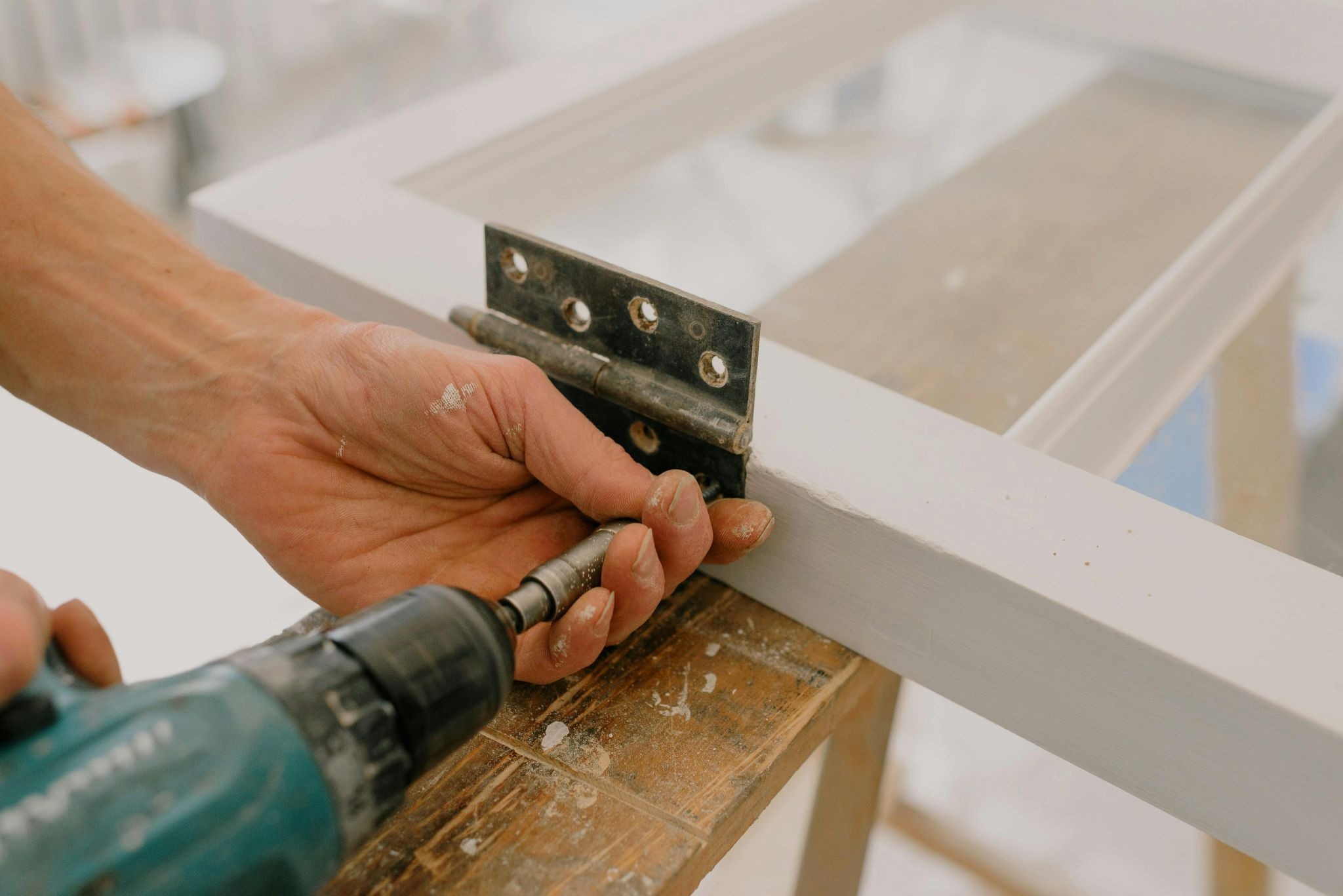
Property maintenance responsibilities are the duties involved in keeping a building safe, functional, legally compliant, and suitable for occupation. In rental property management, Property maintenance responsibilities are shared between landlords, property managers, contractors, and tenants, although the legal repair obligations usually sit mainly with the landlord. A good property manager’s role is to organise, monitor, report, and coordinate maintenance so that problems are dealt with properly and the property remains in good condition.
In the UK, Property maintenance responsibilities are not just about fixing things when they break. It includes planned maintenance, emergency repairs, safety checks, inspections, record keeping, tenant communication, contractor management, and long-term property upkeep. For landlords, good maintenance protects the value of the asset. For tenants, it protects comfort, safety, and quality of life. For property managers, Property maintenance responsibilities are one of the most important parts of professional service.
This guide explains property maintenance responsibilities, including landlord maintenance responsibilities, property manager maintenance duties, common building maintenance tasks, and how to plan a practical maintenance checklist property managers can use.
Overview
This article explains Property maintenance responsibilities in UK rental property management, showing how duties are shared between landlords, property management, contractors and tenants. It focuses on keeping a building safe, functional, legally compliant and in good condition, rather than just fixing problems after they happen.
Key Areas Covered:
✅Property maintenance responsibilities and how they apple in rental homes.
✅Landlord maintenance responsibilities, including structure, exterior, heating, hot water, sanitation, gas and safety duties.
✅Property manager maintenance duties, such as reporting, coordination, contractor management and record keeping.
✅Tenant responsibilities, including looking after the home, reporting problems and avoiding damage.
✅Building maintenance tasks and how to use a building maintenance checklist.
✅Property repairs management and how to handle urgent and routine repairs.
Understanding Property Maintenance Responsibilities
Property maintenance responsibilities cover all the work needed to keep a property safe, usable, clean, secure, and in proper repair.
In a rental property, the landlord is usually responsible for major repairs and legal safety duties. The tenant is usually responsible for using the property reasonably, keeping it clean, reporting problems, and avoiding damage. The property manager sits between the two, making sure issues are reported, assessed, approved, arranged, recorded, and followed up. This is the practical side of Property maintenance responsibilities.
In England, official guidance says landlords are always responsible for repairs to the property’s structure and exterior, basins, sinks, baths and other sanitary fittings, heating and hot water, gas appliances, pipes, flues and ventilation, electrical wiring, and damage caused by the landlord when attempting repairs. Landlords are also usually responsible for common areas, such as staircases in blocks of flats.
This means a landlord cannot simply pass every repair to the tenant. If the boiler breaks down through normal use, the roof leaks, the wiring is unsafe, or the toilet stops working, those are usually landlord repair responsibilities. The exact position can depend on the tenancy type, location, agreement, and facts, but the general principle is clear: the property must be kept in a proper condition.
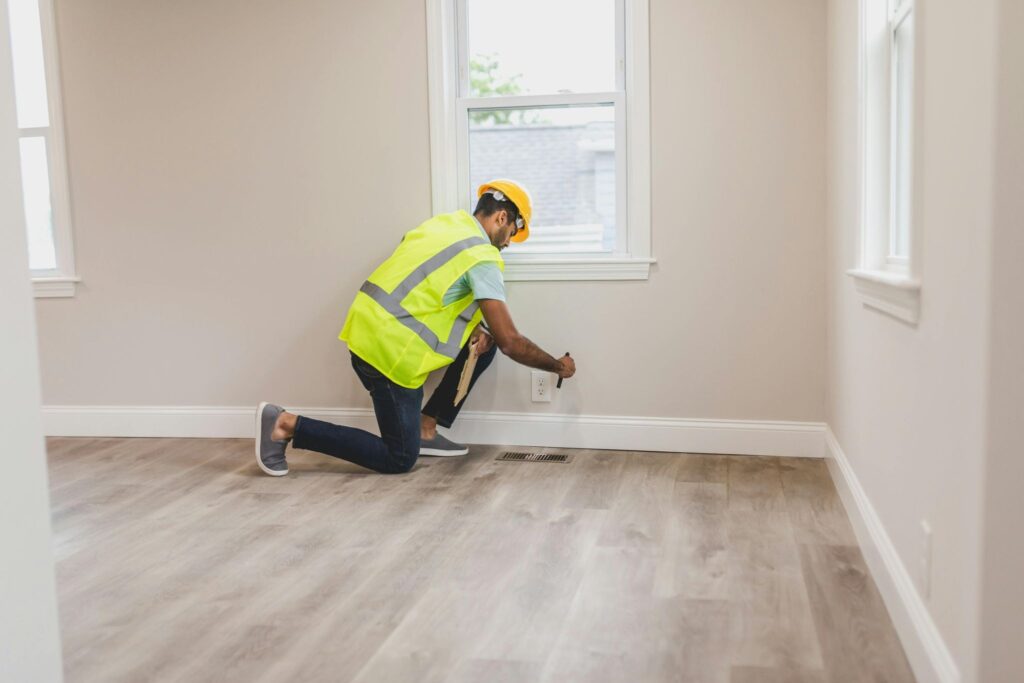
Landlord Maintenance Responsibilities
Landlord maintenance responsibilities are the legal and practical duties a landlord has to keep the rented property safe and liveable.
A landlord’s main repair responsibilities usually cover the structure and exterior of the property. This includes walls, roof, windows, external doors, gutters, drains, and other main building elements. If a roof leak causes water to enter the bedroom, that is not a minor tenant issue. It is a property repair matter that needs landlord attention.
Landlords are also responsible for important installations. This includes systems for water, gas, electricity, sanitation, space heating, and heating water. Section 11 of the Landlord and Tenant Act 1985 is the key statutory basis for many repair duties in England and Wales, requiring landlords to keep in repair the structure and exterior and to keep installations for water, gas, electricity, sanitation, space heating, and hot water in repair and proper working order.
In practical terms, this means landlords need to deal with problems such as broken boilers, faulty heating, unsafe wiring, leaking pipes, damaged sanitary fittings, roof defects, and structural repair issues. If the property becomes unsafe or unsuitable because of disrepair, the landlord may face complaints, enforcement action, or legal claims.
Landlords also have safety responsibilities. For example, government guidance says landlords must follow safety regulations, provide smoke alarms and carbon monoxide alarms where required, ensure access to escape routes, make sure supplied furniture and furnishings are fire safe, and provide fire alarms and extinguishers for large HMOs where required.
Property Manager Maintenance Duties
Property manager maintenance duties are mainly about coordination, communication, and control.
A property manager does not usually carry out every repair personally. Their job is to make sure maintenance is handled properly. That includes receiving repair reports from tenants, checking urgency, contacting the landlord where approval is needed, instructing contractors, arranging access, checking completion, updating records, and making sure the tenant is kept informed. These Property manager maintenance duties keep the process organised.
A good property manager also identifies issues before tenants complain. Routine inspections, contractor reports, inventory notes, check-out reports, and tenant feedback can all reveal maintenance needs. For example, if several inspections mention condensation in the same bedroom, the property manager should not ignore it. They should consider whether ventilation, heating, damp, insulation, or tenant guidance needs attention.
Property managers also need to understand priorities. A broken cupboard handle is not the same as no heating in winter. A dripping tap is not the same as a serious leak. A cracked tile is not the same as unsafe electricity. Property maintenance responsibilities means knowing what needs immediate action and what can be planned.
The property manager should also keep accurate records. Every repair report should show when the issue was reported, what action was taken, who was instructed, what the contractor found, what it cost, when the work was completed, and whether any follow-up is needed. These records are useful for landlord updates, tenant communication, deposit disputes, compliance evidence, and long-term maintenance planning.
Tenant Responsibilities for Maintenance
Tenants also have property upkeep duties, but they are different from the landlord’s repair obligations.
A tenant is usually responsible for looking after the home in a reasonable way. That means keeping it clean, using appliances properly, avoiding deliberate or careless damage, ventilating the property sensibly, reporting problems promptly, and allowing reasonable access for inspections or repairs.
Shelter explains that landlords are responsible for most repairs and keeping the home safe and free from hazards, while tenants are responsible for looking after the home, reporting repairs or damp, and allowing the landlord or contractors in to inspect or fix problems.
This distinction is important. If a tenant accidentally breaks a window, damages a door, blocks a drain through misuse, or damages flooring, the tenant may be responsible for the cost. But if the window frame rots through age, the drain fails because of a structural problem, or the floor is damaged by a leak from defective pipework, the landlord may be responsible.
Tenants should not be expected to carry out major repairs. They should also not ignore problems. If they notice damp, leaks, electrical faults, pest signs, broken locks, or heating issues, they should report them in writing as soon as possible. Delayed reporting can make problems worse and create disputes about responsibility.
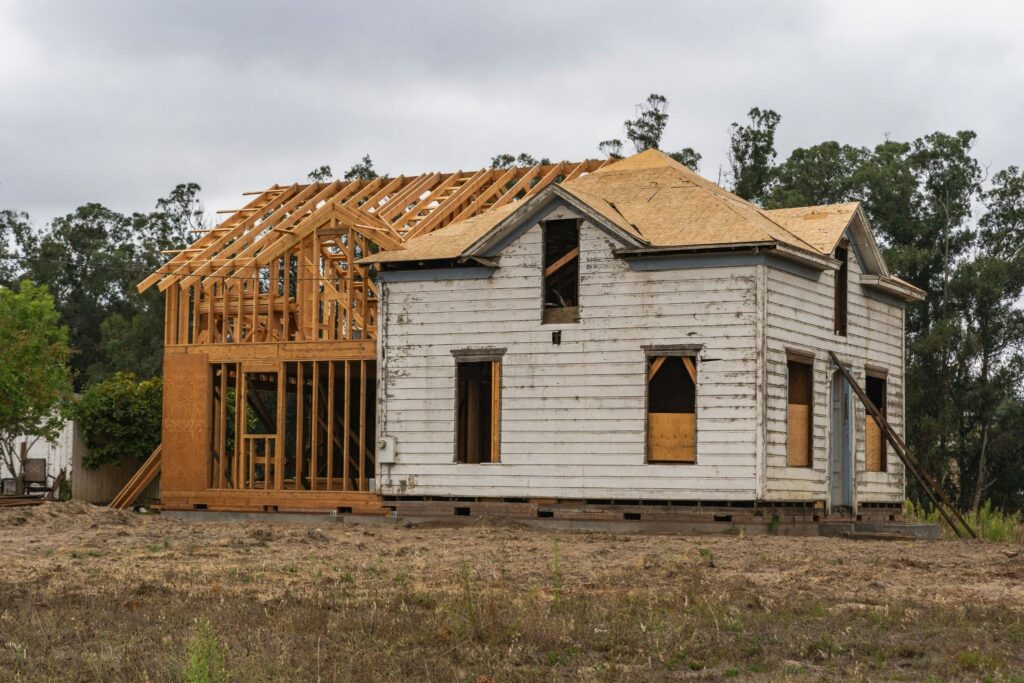
Building Maintenance Tasks Every Property Manager Should Track
Building maintenance tasks can be divided into regular checks, planned work, urgent repairs, and compliance-related duties.
In everyday property management, this may include checking roofs, gutters, drains, heating systems, plumbing, electrics, smoke alarms, carbon monoxide alarms, ventilation, windows, doors, locks, flooring, walls, gardens, communal areas, and appliances supplied by the landlord. The aim is to keep the property functioning properly and prevent avoidable deterioration.
A good building maintenance checklist should not be a long box-ticking exercise that nobody uses. It should be practical and linked to real management action. If the property has recurring gutter problems, gutters should be checked before heavy rain seasons. If a flat has repeated condensation issues, ventilation and heating habits should be reviewed. If an HMO has shared areas, those areas need regular safety and cleanliness checks.
Common building maintenance tasks include the building structure, water systems, heating, electrical safety, fire safety, damp and mould, pest control, security, decoration, flooring, outdoor spaces, and communal areas. The property manager should know which matters are urgent, which need landlord approval, and which can be included in a planned maintenance programme.
Gas, Electrical and Fire Safety Duties
Safety checks are a major part of property repairs management.
Gas safety is one of the clearest landlord responsibilities. Landlords must ensure gas equipment they supply is safely installed and maintained by a Gas Safe registered engineer, and they must arrange an annual gas safety check by a Gas Safe registered engineer. A property manager should track the renewal date, arrange access, keep certificates on file, and make sure tenants receive the required information.
Electrical safety is also important. Current government guidance says the regulations require landlords to have electrical installations in rented properties checked at least every 5 years by a properly qualified person, and landlords must give tenants proof that the installations and relevant equipment have been inspected, tested, and checked.
Smoke and carbon monoxide alarms also need attention. Government guidance on the smoke and carbon monoxide alarm rules explains that from 1 October 2022, all relevant landlords have duties relating to smoke and carbon monoxide alarms in rented homes. The guidance states that at least one smoke alarm should be installed on every storey used as living accommodation.
For property managers, the practical task is not only to know these rules. It is to maintain a system that prevents certificates expiring, alarms being missed, and inspections being forgotten. A missed safety check can create serious risk and may expose the landlord to penalties or enforcement action.
Damp, Mould and Habitability
Damp and mould must be taken seriously in Property maintenance responsibilities.
For too long, some landlords and agents treated mould as a simple tenant lifestyle issue. That approach is risky and often unfair. Damp and mould can be caused by many things, including leaks, poor insulation, defective gutters, blocked vents, inadequate heating, structural defects, or overcrowding. Sometimes tenant behaviour contributes, but property managers should not assume the cause without proper investigation.
Government guidance for rented housing providers explains that all homes must be free from the most dangerous Category 1 hazards under the Housing Health and Safety Rating System, and dampness and mould are included as hazards that can affect health. The HHSRS guidance for landlords also explains that the assessment method focuses on hazards present in housing and that tackling these hazards makes homes healthier and safer to live in.
A property manager should record damp and mould reports carefully, ask when the issue started, take photographs where appropriate, check ventilation and heating, inspect possible leaks or external defects, and recommend further investigation where needed. Serious damp and mould should not be left for the next routine inspection.
Planned Maintenance vs Reactive Repairs
Maintenance planning property managers carry out should include both reactive and planned maintenance.
Reactive repairs are the repairs that happen after something goes wrong. A tenant reports a leak, the boiler stops working, a lock fails, or an appliance breaks. These repairs are unavoidable, but if all maintenance is reactive, the property is being managed poorly.
Planned maintenance is different. It involves looking ahead and dealing with issues before they become emergencies. This may include servicing boilers, clearing gutters, checking roofs, repainting external woodwork, replacing ageing flooring, renewing sealant, inspecting ventilation, reviewing electrical reports, and planning larger works between tenancies.
Planned maintenance often saves money over time. A blocked gutter cleared early is cheaper than internal water damage. Replacing worn sealant is cheaper than repairing rotten flooring. Servicing a heating system is usually better than waiting for a winter breakdown.
For landlords, planned maintenance protects the asset. For tenants, it improves comfort and reduces disruption. For property managers, it creates a more professional and controlled service.
Handling Repairs Professionally
Property repairs management should follow a clear process.
When a tenant reports a repair, the property manager should acknowledge it, assess urgency, gather details, request photographs if useful, check whether the landlord’s approval is needed, instruct the right contractor, arrange access, track progress, and confirm completion. Urgent issues such as serious leaks, loss of heating in cold weather, electrical danger, security failures, or blocked essential sanitation should be escalated quickly.
Communication is crucial. Tenants become frustrated when they report a repair and hear nothing. Landlords become frustrated when they receive invoices without explanation. Contractors become frustrated when access is unclear. A good property manager keeps everyone informed.
Repair records should be factual. Instead of writing “tenant complained about bathroom again”, a better record would say, “Tenant reported slow drainage from bath and water pooling after shower use; contractor instructed to inspect waste pipe and sealant.” Professional wording reduces misunderstanding and helps future reference.
Maintenance Checklist for Property Managers
A useful maintenance checklist property managers should be simple enough to use regularly but detailed enough to catch important risks.
For most rental properties, a property manager should regularly consider the condition of the roof, gutters, drains, external walls, windows, doors, locks, heating, hot water, plumbing, electrics, alarms, ventilation, bathrooms, kitchens, flooring, decoration, appliances, gardens, waste areas, and communal spaces. For HMOs and blocks of flats, shared areas, fire doors, emergency lighting, stairwells, refuse areas, and common parts need extra attention.
The checklist should also include certificate dates. Gas safety, electrical safety, EPC status, fire safety records, appliance checks where relevant, HMO licensing conditions, and insurance-related requirements should all be tracked.
However, the checklist should not replace judgement. A property manager must still think about the specific property. A Victorian terrace, modern flat, student HMO, rural cottage, and city apartment will each have different maintenance risks.
When Tenancy Agreements Matter
A tenancy agreement can add detail to Property maintenance responsibilities, but it cannot usually remove key legal repair duties from the landlord.
For example, the agreement may say the tenant must keep the garden tidy, change light bulbs where reasonable, report repairs promptly, avoid blocking drains, and keep the property clean. It may also explain responsibility for appliances, decoration, pest issues, and access for repairs.
But a landlord cannot use a tenancy clause to avoid statutory repair obligations. If the law says the landlord must keep heating and hot water installations in repair, the agreement cannot simply shift that duty to the tenant.
This is why property managers should understand both the tenancy agreement and the legal baseline. The agreement helps with day-to-day management, but statutory duties come first.

Final Thoughts
Property maintenance responsibilities are a central part of rental property management. They cover repairs, safety checks, inspections, tenant communication, contractor coordination, record keeping, and long-term upkeep.
Landlords are usually responsible for the structure and exterior, heating, hot water, sanitation, gas, electrical wiring, and key safety duties. Tenants are responsible for looking after the home, reporting problems, avoiding damage, and allowing reasonable access for repairs. Property managers are responsible for making the process work smoothly.
Good maintenance is not only about fixing things when they break. It is about planning ahead, keeping records, managing risks, and protecting both the tenant’s living conditions and the landlord’s investment.
A well-maintained property is safer, easier to let, more pleasant to live in, and more valuable over time. For property managers, understanding Property maintenance responsibilities is not optional. It is one of the foundations of professional property management.